

When life feels heavy, finding the right support can feel overwhelming. You might need professional help but cannot pause your daily responsibilities like work or school. Balancing family duties while trying to heal your mind creates a lot of stress. Fortunately, you do not have to leave your life behind to get better.
Outpatient mental health treatment offers a flexible way to heal while staying at home. This type of mental health treatment fits into your normal schedule. You can visit a clinic for therapy and still sleep in your own bed at night. It provides a perfect balance of professional care and daily independence.
Understanding Outpatient Mental Health Treatment
Outpatient care means you receive therapy without staying overnight at a hospital. You attend scheduled appointments during the week and return home afterward. This setup lets you practice your new coping skills in the real world immediately. It is ideal for people managing mild to moderate mental health conditions.
This structure allows you to maintain your job, school schedule, and family commitments. You get to keep your daily routines while working closely with licensed professionals. It removes the fear of disappearing from your life to seek help. Instead, healing becomes a natural part of your normal everyday routine.
How It Differs From Inpatient Care
Inpatient care requires you to live at a medical facility full-time. Doctors monitor your progress around the clock because of severe safety concerns. It is designed for short-term crises that need immediate medical stabilization. Once a patient is stable, they usually transition to an outpatient therapy program.
Outpatient programs offer more freedom and cost much less than hospital stays. You choose when to attend sessions based on your personal availability. This option focuses on long-term growth and steady healing over time. It gives you control over your schedule while providing excellent medical support.
Core Levels of Outpatient Care
Not everyone needs the exact same amount of help. Outpatient programs offer different levels of support to match your specific needs. Your care team will help you choose the right path after a professional evaluation. This ensures you get enough support without disrupting your life too much.
Traditional Outpatient Therapy
Traditional care involves meeting a therapist once or twice every week. These individual sessions last about one hour and focus on your personal goals. It is great for managing daily stress, mild anxiety, or relationship issues. You work at your own pace to build healthy mental habits.
Intensive Outpatient Programs (IOP)
An Intensive Outpatient Program offers a higher level of daily support. You attend group and individual therapy for several hours a day, a few days a week. This structure provides deeper healing while still letting you live at home. It is perfect for people needing extra help during difficult transitions.
Partial Hospitalization Programs (PHP)
A Partial Hospitalization Program is the highest level of outpatient therapy available. Patients spend the majority of their day at the clinic five days a week. It offers structured medical care, group therapy, and regular psychiatric care. You receive intense hospital-level treatment but still go home every evening.
Key Services Offered in Outpatient Care
A complete program combines different tools to help you succeed. Mental health is complex, so your treatment should use multiple approaches. Licensed professionals mix therapy, medicine, and support groups to build a strong foundation. This variety ensures every part of your well-being receives proper attention.
- Psychiatric Care: Doctors evaluate your brain health and prescribe helpful medications.
- Individual Therapy: One-on-one sessions help you understand your thoughts and behaviors.
- Group Therapy: Sharing experiences with peers reduces feelings of loneliness and isolation.
- Medication Management: Professionals monitor your prescriptions to ensure safety and effectiveness.
The Many Benefits of Outpatient Care
Choosing this path brings many unique advantages to your healing journey. The biggest benefit is the ability to stay connected to your loved ones. Having friends and family nearby provides comfort that a hospital room cannot match. You build a real-world support system that lasts long after treatment ends.
Another major benefit is the lower cost compared to residential hospital stays. You only pay for the specific therapy sessions and medical appointments you attend. This makes professional care much more affordable for families and individuals. It reduces financial stress so you can focus entirely on getting well.
Who Is a Good Candidate?
This type of care works best for people who are medically stable. You must feel safe living at home between your scheduled therapy sessions. Having a supportive environment at home makes a massive difference in your success. It also requires personal motivation to attend appointments and practice skills.
It is highly effective for treating depression, anxiety, trauma, and mood disorders. People recovering from addiction also find great stability in these flexible programs. If you want to improve your mental health without quitting your job, this is for you. It bridges the gap between needing help and living your life.
What to Expect at Your First Appointment
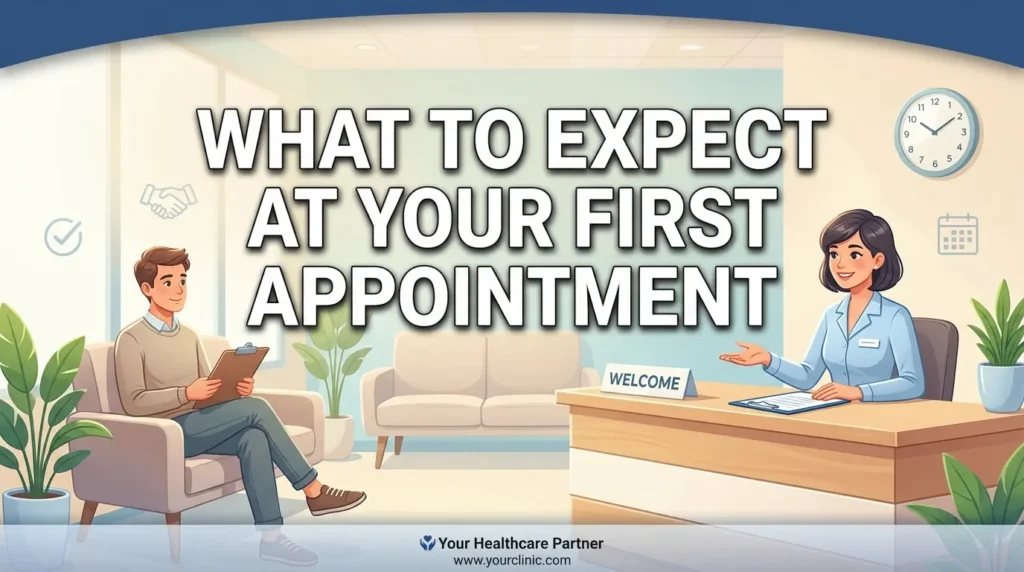
Your first visit focuses on understanding your unique story and current struggles. A licensed professional will sit down with you for a friendly conversation. They will ask about your medical history, current symptoms, and personal goals. There is no reason to feel nervous about this initial meeting.
Next, the provider will design a personalized treatment plan just for you. This plan outlines which therapies and schedules will help you the most. You will discuss how often to visit and meet your care team. It is a collaborative process where your voice and comfort always matter.
How to Choose the Right Program
Finding the best clinic requires looking at a few important factors. First, check if the facility employs fully licensed mental health professionals. You want experienced experts who specialize in your specific type of struggle. Do not hesitate to ask about their credentials during your first call.
Location and scheduling options also play a massive role in your success. Choose a clinic that is easy to reach from your home or workplace. Make sure their session times fit cleanly into your existing weekly routine. A convenient program is much easier to stick with over the long term.
Start Your Journey To Wellness Today
You do not have to struggle through difficult times completely on your own. True healing starts with a single step toward professional guidance and support. The team at Minds Over Matter is ready to help you rebuild your life. They provide compassionate, personalized care right here in Pompano Beach, Florida.
Our licensed experts design flexible programs that match your busy daily schedule. We offer everything from psychiatric care to individual counseling and wellness support. Take control of your mental health today by visiting Minds Over Matter online. Let us help you find the balance and peace you truly deserve.
FAQS
How long does an outpatient treatment program usually last?
The length of treatment depends entirely on your unique personal needs. Some people finish in a few months, while others stay in therapy longer.
Will my health insurance cover outpatient mental health services?
Most insurance plans cover outpatient therapy, psychiatric visits, and intensive programs. Our office can help verify your specific benefits before your first appointment.
Can I switch between different levels of care if needed?
Yes, your treatment plan is flexible and changes as you make progress. You can move to fewer sessions as your mental health steadily improves.
What happens if I experience a crisis outside of program hours?
We help you create a safety plan with emergency contacts and resources. You will always know exactly who to call if you need immediate help.