
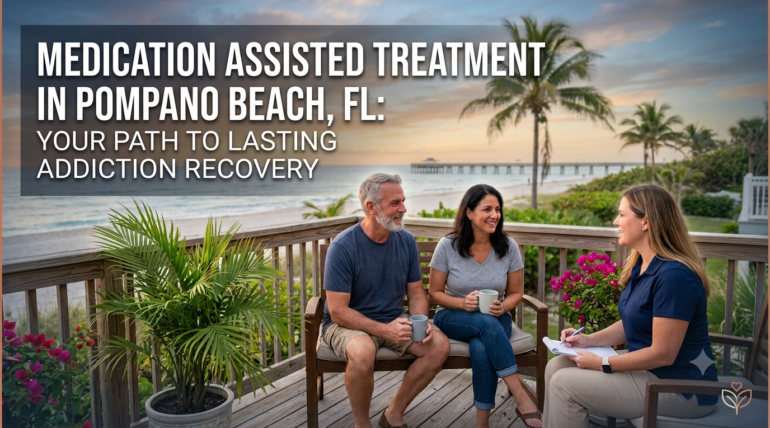
Taking the first step toward addiction recovery is rarely easy. Many people want to stop using drugs or alcohol but struggle with intense cravings, uncomfortable withdrawal symptoms, or repeated relapses that make recovery feel out of reach. Fortunately, treatment has advanced far beyond relying on willpower alone. Today, Medication Assisted Treatment in Pompano Beach, FL, gives individuals a proven, evidence-based path toward long-term recovery.
Medication-Assisted Treatment (MAT) combines FDA-approved medications with counseling and behavioral therapies to address both the physical and emotional aspects of substance use disorders. Instead of simply treating symptoms, it helps stabilize patients so they can focus on rebuilding healthier lives.
Whether you are seeking help for opioid addiction, alcohol use disorder, or recurring relapse, this guide explains how MAT works, who can benefit from it, and what to expect when beginning treatment in Pompano Beach.
Understanding Medication-Assisted Treatment
Medication Assisted Treatment is a medical approach designed to help people recover from opioid and alcohol addiction. Rather than replacing one addiction with another, MAT uses carefully prescribed medications to reduce withdrawal symptoms, lower cravings, and support recovery under professional medical supervision.
The medications are combined with services such as:
- Individual counseling
- Group therapy
- Behavioral therapy
- Recovery coaching
- Mental health support
- Relapse prevention planning
This combined approach gives patients the tools to manage addiction while also addressing the behaviors and challenges that contribute to substance use.
| Recovery Insight: Medication helps stabilize the body, but lasting recovery also depends on learning healthier coping strategies, building support systems, and making positive lifestyle changes. |
Why Medication Alone Is Not Enough
Many people believe taking medication is all that MAT involves. In reality, medication is only one part of a comprehensive recovery program.
Addiction often affects several areas of life, including physical health, emotional well-being, relationships, employment, and mental health. While medication helps reduce physical dependence, counseling and therapy help patients understand the causes behind addiction and develop healthier ways to respond to life’s challenges.
A complete treatment plan may include:
- Managing withdrawal symptoms
- Learning coping skills
- Addressing emotional triggers
- Treating co-occurring mental health conditions
- Building relapse prevention strategies
- Creating long-term recovery goals
By combining medical treatment with therapy, patients receive care that supports the whole person rather than focusing on addiction alone.
Conditions Medication-Assisted Treatment Can Help Treat
Although MAT is most commonly associated with opioid addiction, it is also highly effective for several other substance use disorders.
Opioid Use Disorder
People recovering from dependence on prescription pain medications, heroin, or synthetic opioids often experience severe withdrawal symptoms that make quitting extremely difficult.
Medication can help by:
- Reducing opioid cravings
- Minimizing withdrawal discomfort
- Lowering the risk of relapse
- Supporting safer long-term recovery
Alcohol Use Disorder
Alcohol withdrawal can range from mild discomfort to serious medical complications. MAT can reduce cravings while helping patients maintain sobriety after detoxification.
Treatment often focuses on:
- Managing alcohol cravings
- Supporting abstinence
- Improving treatment participation
- Reducing the likelihood of relapse
Not every medication is appropriate for every patient, which is why a professional clinical evaluation is always the first step before treatment begins.
How Medication Assisted Treatment Works
Every recovery journey begins with understanding each patient’s unique situation. Rather than following the same treatment plan for everyone, providers create personalized programs based on medical history, substance use, recovery goals, and overall health.
Most MAT programs follow several important stages.
Step 1: Comprehensive Clinical Assessment
Before medication is prescribed, healthcare professionals perform a detailed evaluation that may include:
- Substance use history
- Medical conditions
- Mental health screening
- Current medications
- Previous treatment experiences
- Recovery goals
This assessment helps determine the safest and most effective treatment approach.
Step 2: Medication Selection
After the evaluation, providers choose medications that best match the patient’s condition and recovery needs.
Common FDA-approved medications include:
| Medication | Common Purpose |
| Buprenorphine | Reduces opioid cravings and withdrawal symptoms |
| Methadone | Supports recovery from long-term opioid dependence |
| Naltrexone | Blocks opioid effects and helps reduce alcohol cravings |
| Suboxone | Combines buprenorphine with naloxone to support opioid recovery |
The appropriate medication depends on several medical factors and should always be prescribed under professional supervision.
Behavioral Therapy Makes Recovery Stronger
Medication addresses physical dependence, but therapy helps patients make lasting behavioral changes.
Individual Counseling
One-on-one counseling allows patients to work through personal challenges, identify triggers, and develop healthier coping strategies.
Sessions often focus on:
- Stress management
- Emotional regulation
- Goal setting
- Family relationships
- Personal accountability
Group Therapy
Recovery becomes less isolating when individuals connect with others facing similar challenges.
Group therapy helps patients:
- Share experiences
- Build encouragement
- Learn practical recovery skills
- Strengthen accountability
- Develop healthy support networks
Many people discover that hearing others’ recovery journeys helps build confidence in their own progress.
Treating Mental Health Alongside Addiction
Substance use disorders frequently occur alongside conditions such as anxiety, depression, trauma, or other mental health disorders.
When both conditions exist together, treating only the addiction often leaves important issues unresolved.
Dual diagnosis treatment may include:
- Medication management
- Cognitive Behavioral Therapy (CBT)
- Mental health counseling
- Psychiatric support
- Ongoing clinical monitoring
Addressing both conditions at the same time often leads to stronger recovery outcomes and reduces the likelihood of future relapse.

Choosing the Right Level of Care
Medication-Assisted Treatment is not the same for everyone. Some people need daily medical supervision at the beginning of recovery, while others can safely continue treatment while maintaining work, school, or family responsibilities.
A professional assessment helps determine which level of care best supports your recovery.
Outpatient MAT Programs
Outpatient treatment allows patients to receive medication, counseling, and regular medical check-ins while continuing with their normal routines.
This option may be appropriate for individuals who:
- Have a stable home environment
- Need flexibility for work or school
- Have completed detox
- Requires ongoing medication management and therapy
Many patients appreciate outpatient care because it supports recovery without requiring an overnight stay.
Intensive Outpatient Programs (IOP)
An Intensive Outpatient Program offers more structured treatment than traditional outpatient care while still allowing patients to live at home.
IOP often includes:
- Multiple therapy sessions each week
- Individual counseling
- Group therapy
- Medication management
- Recovery education
- Relapse prevention planning
This level of care is often recommended for people who need additional support but do not require 24-hour supervision.
Partial Hospitalization Programs (PHP)
A Partial Hospitalization Program provides intensive daytime treatment while allowing patients to return home in the evenings.
PHP may include:
- Medical monitoring
- Medication-Assisted Treatment
- Behavioral therapy
- Mental health services
- Recovery planning
This option bridges the gap between residential treatment and outpatient care for individuals needing a higher level of clinical support.
Managing Withdrawal Safely
One of the biggest concerns people have before seeking treatment is withdrawal. Depending on the substance involved, withdrawal symptoms can range from uncomfortable to potentially dangerous.
Rather than attempting detox alone, medically supervised care helps patients manage symptoms safely while reducing unnecessary discomfort.
Common withdrawal symptoms may include:
- Strong cravings
- Anxiety
- Nausea
- Muscle aches
- Sweating
- Difficulty sleeping
- Restlessness
- Mood changes
FDA-approved medications can help ease many of these symptoms, allowing patients to focus on recovery instead of simply enduring withdrawal.
How Medication Helps Reduce Cravings
Cravings are one of the leading reasons people return to substance use after stopping.
Medication used in MAT works differently depending on the treatment prescribed, but its primary goals include:
- Reducing cravings
- Lowering withdrawal symptoms
- Blocking the effects of certain substances
- Supporting treatment adherence
- Helping patients stay engaged in therapy
By reducing the constant urge to use drugs or alcohol, patients often find it easier to participate fully in counseling and other recovery services.
Building a Personalized Recovery Plan
Successful recovery is rarely built around medication alone. Every patient enters treatment with different experiences, health conditions, and personal goals.
A personalized recovery plan may include:
| Recovery Component | Purpose |
| Medication management | Control withdrawal symptoms and cravings |
| Individual counseling | Address personal recovery challenges |
| Group therapy | Build peer support and accountability |
| Family therapy | Improve communication and strengthen relationships |
| Mental health treatment | Address anxiety, depression, or trauma |
| Recovery coaching | Support long-term recovery goals |
Adjustments are made throughout treatment as recovery progresses, ensuring care continues to meet each patient’s changing needs.
The Importance of Relapse Prevention
Recovery does not end when withdrawal symptoms improve. Maintaining sobriety requires planning for situations that may trigger future substance use.
Relapse prevention often focuses on helping patients recognize risks before they become setbacks.
Common strategies include:
- Identifying personal triggers
- Developing healthy coping skills
- Attending regular counseling sessions
- Participating in support groups
- Building positive daily routines
- Staying connected with recovery professionals
Learning how to respond to stressful situations without returning to substance use is one of the most valuable skills patients develop during treatment.
Recovery Is a Long-Term Journey
There is no universal timeline for addiction recovery. Some individuals continue medication for several months, while others benefit from longer-term treatment based on their medical needs and recovery progress.
Recovery often continues through several stages, including:
| Stage | Primary Focus |
| Early Recovery | Stabilization and withdrawal management |
| Active Treatment | Medication, counseling, and behavioral therapy |
| Ongoing Recovery | Relapse prevention and healthy lifestyle changes |
| Long-Term Maintenance | Continued support and sustained sobriety |
Viewing recovery as an ongoing process rather than a short-term program helps patients build realistic expectations and lasting success.
How to Identify a Quality Addiction Treatment Center
Not every treatment center offers the same level of care. Choosing the right provider can have a significant impact on both the treatment experience and long-term recovery outcomes.
When evaluating a treatment center, consider whether it offers:
- Licensed medical professionals
- Comprehensive clinical assessments
- FDA-approved addiction medications
- Individualized treatment plans
- Mental health support
- Multiple levels of care
- Ongoing recovery support services
- Clear communication throughout treatment
Providers that combine medical expertise with compassionate, patient-centered care often help individuals feel more confident as they begin their recovery journey.
Frequently Asked Questions
Who Can Benefit Most from Medication-Assisted Treatment?
Medication-Assisted Treatment is especially recommended for individuals with opioid or alcohol use disorders, particularly those experiencing difficult withdrawal symptoms, strong cravings, or repeated relapse. A healthcare provider performs a thorough clinical assessment to determine whether MAT is the right treatment option for each patient.
Can I Continue Working While Receiving MAT?
Yes. Many patients enrolled in outpatient MAT programs continue working, attending school, or caring for their families while receiving treatment. Your provider will help develop a treatment schedule that supports both your recovery and your daily responsibilities.
Is Medication-Assisted Treatment Safe?
Yes. When prescribed and monitored by qualified healthcare professionals, FDA-approved MAT medications are considered safe and effective. Regular medical supervision ensures medications are used appropriately and adjusted as your recovery progresses.
Will I Also Receive Counseling During Treatment?
Yes. Counseling is an essential part of Medication-Assisted Treatment. Individual counseling, group therapy, family therapy, and behavioral therapies help patients build healthier coping skills, overcome emotional challenges, and support long-term recovery.
Can Medication-Assisted Treatment Help Prevent Relapse?
Yes. Medication-Assisted Treatment reduces withdrawal symptoms and cravings, making it easier for patients to stay engaged in recovery. When combined with counseling, recovery support services, and relapse prevention planning, MAT can significantly improve long-term recovery outcomes.
Build a Strong Foundation for Lasting Recovery
Recovery is not about overcoming addiction through willpower alone. It is about receiving the right medical care, emotional support, and personalized treatment needed to create lasting change. Medication-assisted treatment gives many individuals the stability they need to overcome cravings, participate in therapy, and confidently move toward a healthier future.
If you or someone you love is seeking compassionate, evidence-based addiction care, Minds Over Matter is here to help. Our experienced team creates personalized Medication Assisted Treatment plans that combine medical supervision, counseling, and ongoing support to guide patients through every stage of recovery.
Contact us today to learn more about our Medication Assisted Treatment services in Pompano Beach, FL, and take the first step toward long-term recovery and a healthier tomorrow.