
Many people feel stuck when depression, anxiety, or OCD becomes too heavy to carry alone. You might feel like you only have two choices: keep struggling by yourself or move into a hospital for weeks. This all or nothing way of thinking stops many people from getting the help they need. You want to feel better and reclaim your life, but you cannot stop working or leave your family behind. Modern mental health care offers a better way to heal without moving out of your home.
Understanding what is outpatient treatment is your first step toward feeling better. Outpatient care means you visit a clinic for professional help and go home the same day. These programs give you medical support while you keep your daily routine. From talking with a therapist to using advanced tools like TMS therapy, these services fit into your life instead of disrupting it. This guide explains how outpatient care works and how it helps you grow stronger.
The Basics: Outpatient Treatment Meaning
The outpatient treatment meaning is simple: it is any medical care that does not require an overnight stay. In mental health, this is a flexible system. Doctors design these programs to meet you where you are. You might start with a lot of support and then move to fewer visits as you feel more confident and stable.
This setup helps because patients in outpatient treatment centers get expert care while staying connected to their real lives. You can learn a new coping skill in the morning and practice it at home that evening. This “real-world” practice makes your recovery stronger because you are healing in the same place where you live your life.
Types of Outpatient Care Services
Clinics usually offer three levels of outpatient care services depending on how much help you need:
- Standard Outpatient Care: You meet with a therapist once or twice a week. This works best for people who are doing okay but need a professional to talk to.
- Intensive Outpatient Programs (IOP): You spend several hours at the clinic, a few days a week. This gives you more support than a single therapy hour.
- Day Treatment Programs: These are also called Partial Hospitalization Programs. You spend most of your day at the clinic for therapy and medical care, then go home to sleep in your own bed.
Modern Healing: TMS and Outpatient Care
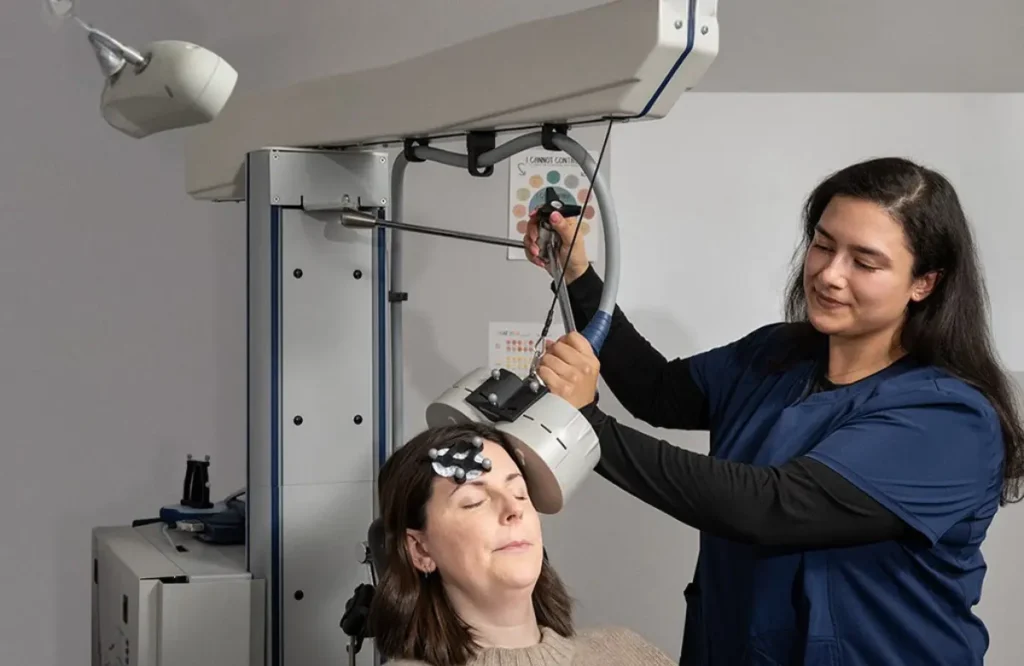
Outpatient care now includes advanced technology that was once only found in big hospitals. One example is Transcranial Magnetic Stimulation, or TMS therapy. This is a non-invasive way to treat depression and OCD that does not get better with medicine.
TMS uses magnetic pulses to wake up the parts of the brain that control your mood. Because it is FDA-approved and does not use surgery or “sleep medicine,” it is a perfect outpatient service. A session takes about 20 minutes. You can drive yourself to the clinic, have your treatment, and drive yourself back to work or home immediately. It proves that you can receive powerful medical healing during a quick break in your day.
How It Works: Time and Schedule
A frequent question is: how long does intensive outpatient treatment last There is no right answer because everyone is different. Most of the intensive programs last from eight to twelve weeks. Then you can go to maintenance therapy once a week to keep up your progress.
The duration of outpatient treatment programs varies according to your needs. The first time you go to a clinic, staff will do a patient intake assessment. They look at your history, your goals and come up with a plan just for you. They also handle the insurance verification process so you know what your plan covers. Since staying consistent is the key to getting better, clinics work hard to find a therapy session scheduling time that fits your job and family life.
Online Outpatient Treatment Programs
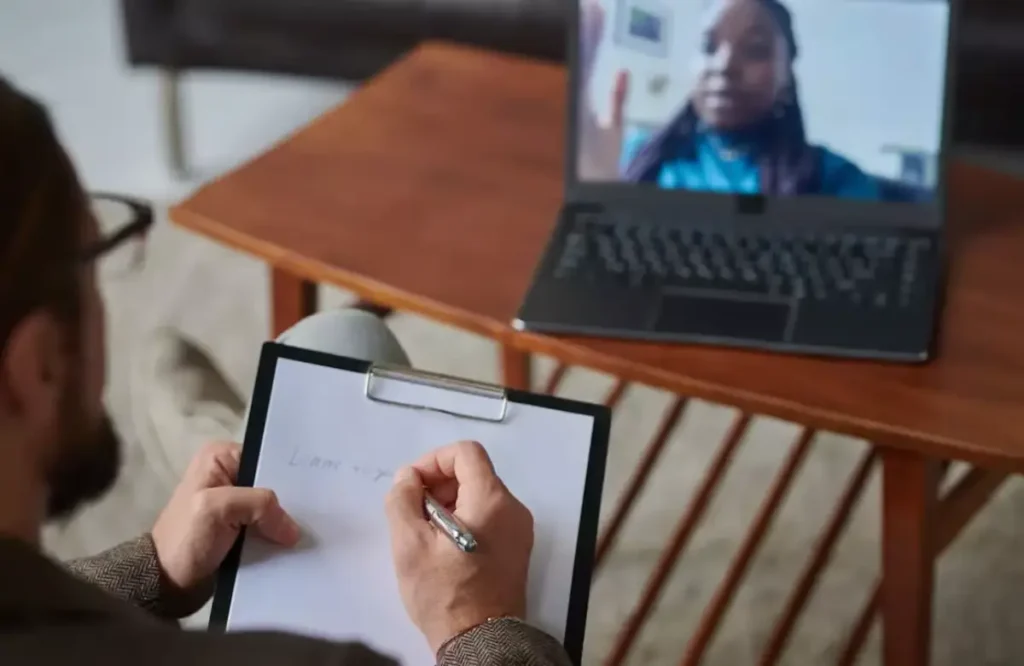
If you live far away or have a busy schedule, online outpatient treatment programs are a great option. Telehealth allows you to talk to your doctor or therapist through a video call on your phone or computer. While treatments like TMS require you to visit the clinic in person, you can do most therapy and case management services from your living room.
Support for the Long Term
Good outpatient care looks at your whole life, not just your symptoms. This includes aftercare planning. Recovery is a journey, not a quick fix. As you finish a program, your team helps you plan for the future. This might mean joining a support group or continuing with maintenance TMS sessions.
Your team also provides case management services. These experts help you coordinate with other doctors and make sure your mental health treatment plan stays on track. By having a clear plan for the future, you feel more in control and less likely to feel overwhelmed again.
Choosing the Best Path for You
Choosing to get help is a brave move. When you look for outpatient treatment centers, find one that offers many different tools. A clinic that provides both talk therapy and brain stimulation like TMS gives you more ways to succeed.
The best treatment is the one that you can actually finish. If a program is too hard to attend, it won’t help you much. Look for a place that offers personalized treatment plans and flexible hours. Outpatient care should lift you up and give you the tools to live a better life.
Conclusion
You do not have to put your life on hold to heal from depression, anxiety, or OCD. At Minds Over Matter , we provide expert TMS therapy and outpatient care that works with your schedule. Our team builds personalized treatment plans using FDA-approved technology to help you feel like yourself again.
Stop waiting for things to change on their own. Contact Minds Over Matter today to talk about our outpatient care services and start your path to a happier life.
FAQS
1. What is outpatient care? In other words,
It’s mental health care where you go to therapy, and then you come home the same day and go on with your normal life.
2. How long does the treatment as an outpatient last?
It depends on what you’re after. It can last anywhere from a few weeks to several months depending on your progress and treatment plan.
3. Is outpatient treatment for addiction effective?
Yes. Outpatient programs offer counseling, support groups and relapse prevention strategies to help you recover from addiction.
4. What’s the difference between inpatient and outpatient care?
Outpatient means you can live at home, inpatient means you live at a treatment center all the time.
5. How effective is outpatient treatment
Yes it works really well for a lot of people as it gives them consistent support and they can continue with their daily routine.