

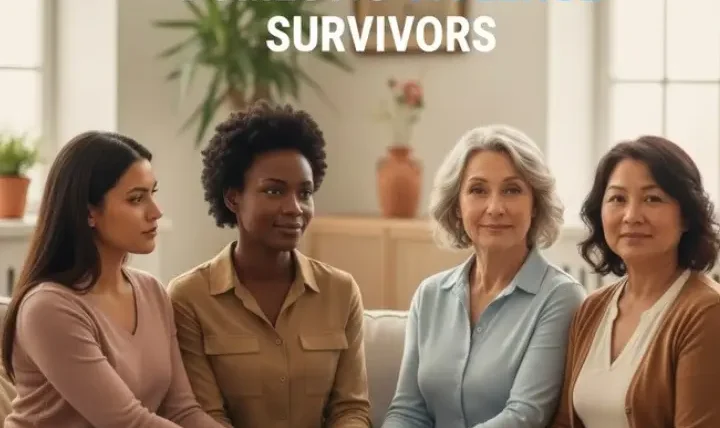
Domestic violence is a serious issue that affects millions of people around the world. Whether physical, emotional, or psychological, the impact of domestic violence can be devastating, leaving survivors feeling helpless and isolated. A lot of resources can be used to assist survivors to reestablish their lives and seek security, assistance and recovery.
Through this guide, we shall discuss the various kinds of resources that are offered to the survivors of domestic violence, starting with the emergency support services, and up to the long-term counseling. We shall also address the issue of how they can be used to change the lives of the affected and how one can gain access to them.
Why Are Resources for Domestic Violence Survivors So Important?
It is hard to believe that the process of recovering after being a victim of domestic violence is not always short. Survivors have to endure a lot of things, such as emotional trauma, financial instability, and even lawsuits. In the absence of adequate resources, these challenges would be daunting. This is why these types of resources are so important among the survivors of domestic violence:
1. Safety and Security
Safety is usually the priority for domestic violence survivors. A lot of victims of domestic violence are vulnerable to additional attacks, and it is important to have standby resources that will offer shelter and security.
- Example: Domestic violence shelters help survivors find a safe space to reside in women, men, and children who have to flee an abusive environment. Such shelters have professionals who may assist in the safety planning as well as provide immediate assistance.
2. Psychological and Emotional Healing
Domestic violence has a lot of emotional and psychological costs that are underestimated. Depression, PTSD, and other mental health disorders are possible outcomes of the experiences of survivors. Availing of psychological healing sources like counseling and therapy is crucial to recovery.
- Example: Domestic violence victims can use therapy sessions that can assist them in working through their feelings, restoring their self-esteem, and acquiring positive coping skills.
3. Legal Support and Advocacy
Domestic violence survivors usually require legal assistance, particularly in a divorce or custody case or restraining order. Legal aid assists in ensuring that those who are victims are in a position to defend themselves and their children against further injuries.
- Example: Survivors might need legal referrals in situations where they have to battle over custody or seek protective orders to ensure their abuser does not get close to them and their family.
What Resources Are Available for Domestic Violence Survivors?
Survivors of domestic violence have a large number of resources at their disposal. These are emergency services, counseling, legal assistance, and programs on long-term recovery. The primary forms of resources are as follows:
1. Emergency Support Services
Emergency services may be a saving grace when one is in dire need. Such resources can assist the victims in reaching safety within a short period and provide security to the victims against further damage.
- Hotlines: The National Domestic Violence Hotline operates 24/7 and provides confidential help to the victims. Callers receive advice, emotional assistance and referral to shelters and legal services.
- Emergency Shelters: Shelters offer a safe space to the survivors, and in many cases, they include meals, clothes, and other forms of appropriate support to help them back on their feet.
- Crisis Chats: Numerous organizations have 24/7 domestic violence crisis chat services where a survivor can utilize the internet to create a confidential and anonymous space to discuss the crisis with someone.
- Example: In the case of abuse, which requires you to get to a safety location immediately, you can call the National Domestic Violence Hotline or you can also use the site to chat online and let the site find the nearest location or a shelter to visit.

2. Counseling and Therapy for Survivors
One of the most significant assets that victims of domestic violence require is counseling. By means of therapy, survivors can overcome the trauma they have gone through and then start the healing process. Different forms of treatment can be provided:
- Individual Therapy: One-on-one meetings with a licensed counselor may assist the survivors to interpret their feelings, regain self-worth, and create effective coping mechanisms.
- Group Therapy: Support groups enable the survivors to relate to others who have gone through a similar situation, thereby feeling a sense of community and support.
- Child Trauma Specialists: Children who have observed or been subjected to domestic violence might require special therapy to overcome the trauma and learn to have normal emotional reactions.
- Example: A domestic violence survivor can also be invited to group therapy so that they can learn to cope and listen to others so that they do not feel alone in their healing process.
3. Legal Resources and Advocacy
The legal system can be very overwhelming to domestic violence survivors, particularly when they attempt to defend themselves and their children against an abusive partner. In these respects, legal assistance may be offered:
- Legal Aid: There are numerous organizations that have free or affordable legal services to survivors. This may involve providing help in getting restraining orders, divorce proceedings or problems relating to custody.
- Child Custody and Protection: Legal Services The legal aid may also assist the survivor in struggling over child custody in case the abuser poses a danger to the child and his or her well-being.
- Restraining Orders: Survivors might have to seek a restraining order against their abuser to have them legally prohibit them from accessing them.
- Example: A survivor of abuse might need to have a protective order that will keep the abuser away by enlisting the services of a lawyer, or he/she might require assistance in the complicated divorce process that includes domestic violence.
4. Support for Men and Non-Traditional Survivors
Although women are the majority of people who face domestic violence, men and individuals who lead non-traditional lives also suffer abuse. Specialized services are available to these groups:
- Support for Men: A lot of domestic violence services currently offer assistance to men who are being abused. This involves counseling, support groups, as well as legal advice.
- LGBTQ+ Support: LGBTQ+ survivors of domestic violence might have particular issues, such as the fear of being discriminated against. Certain services are LGBTQ+ friendly services and resources.
- Example: A man who is a victim of domestic violence may be reluctant to get help because of the stigma in society. Specifically, male-based support services could offer men a safe and confidential space where they can receive the help that they require.
Benefits of Domestic Violence Survivor Resources
The possibilities of accessing resources by the domestic violence survivors are numerous, such as emotional healing, legal help, and general well-being. Here are some key benefits:
1. Empowerment and Independence
Empowerment and a feeling of independence that is felt after gaining control over your life is one of the primary good sides of access to the domestic violence survivor resources. These resources can assist you in regaining control and creating a violence-free life since finding a safe place to stay, getting legal assistance, etc.
- Benefit: Survivors who can gain access to such resources feel better equipped to make their own decisions and those of their children and this is an essential element of the healing process.
2. Comprehensive Support System
DV survivor services present a holistic approach to the process of recovery. Therapy to legal assistance and child support are three resources that combine to provide holistic support to the victims.
- Benefit: The emotional, legal, and practical support leads to the healing of the survivors in all aspects of their lives, and it becomes easier to reestablish their lives following the abuse.
3. Confidential and Safe Help
The resources that the survivors use are confidential and they are meant to keep their privacy. Most of the services, including hotlines and online chat services provide survivors with the ability to seek help without necessarily being noticed and this is much needed especially by those who are afraid of being retaliated by the abuser.
- Benefit: This will allow the survivors to seek assistance without the fear of being caught by their abuser and they can make informed choices regarding their future.
Conclusion
The survivors of domestic violence are expected to receive support, care, and resources that are capable of restoring their lives, rebuilding their lives and gaining control of their lives. To be equipped to go through the healing process, numerous sources can offer you the necessary emergency housing, help, counseling or emotional support. Through the initial move to seek assistance, you can seek the help that will help you have a safer and healthier future.
To explore more about resources available for domestic violence survivors, visit Minds Over Matter today.
FAQs
What should I do if I’m in immediate danger?
If you are in immediate danger, call 911 or your local emergency services. You can also reach out to the National Domestic Violence Hotline at 1-800-799-SAFE (7233) for immediate assistance.
Are there resources for male survivors of domestic violence?
Yes, there are resources specifically designed to support male survivors of domestic violence. These services offer counseling, support groups, and legal assistance.
Can children receive support after witnessing domestic violence?
Yes, children who witness or experience domestic violence can receive specialized therapy and counseling services to help them heal from trauma and cope with their emotions.
How do I know if I qualify for legal aid as a survivor?
Legal aid eligibility typically depends on factors like income, the nature of the legal issue, and your location. Many domestic violence organizations offer free consultations to help determine if you qualify for legal assistance.
How can I safely leave an abusive relationship?
Leaving an abusive relationship can be challenging. Domestic violence hotlines, shelters, and support groups can provide guidance and help you create a safety plan to leave safely.