
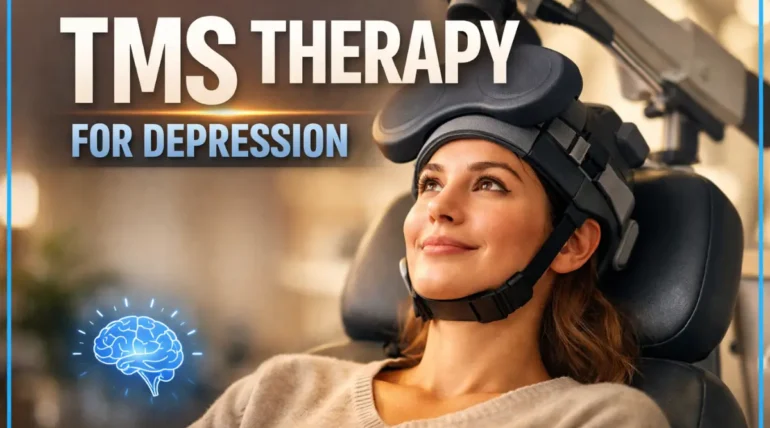
Just imagine that you wake up every day and you feel like there is a heavy fog that is suffocating all your happiness, energy, and hope. Depression is a blow to it, eh? When meds and therapy have not helped off that weight, then you are not alone; many millions of people have felt like you have. However, there is exciting news here: The TMS depression treatment is transforming lives as a new drug-free therapy that is finally receiving the attention it rightfully deserves.
Have you ever wondered, What is TMS therapy for depression? Imagine the following: You do not need an operation or a pill to jumpstart your mood centers with a simple, non-invasive treatment involving magnetic pulses. In this guide, we’ll unpack transcranial magnetic stimulation TMS therapy for depression in plain English, how it works, and the real wins of this therapy for anxious depression, postpartum blues, and others. You should stay; maybe you need the new beginning you are desiring.
Why Consider TMS Therapy for Depression?
The depression comes like a thief robbing the enjoyment of normal life. When drugs fail, most people feel frustrated. TMS therapy for depression is the game-changer in that.
The conventional antidepressants treat approximately 60% of people, though in the remaining ones, people with treatment-resistant depression, TMS glitters. Since 2008, it has been non-invasive, FDA-approved, and safe. Nothing like needles, medication, but specific brain enhancement.
The question people ask is, What is TMS therapy for depression? because it tackles the root. It is based on magnetic pulses that stimulate the inactive parts of the brain that are associated with mood. TM may come next, in case you have already tried two or more antidepressants without success.
Where to Find TMS Therapy for Depression
TMS treatment is all over the USA, particularly in large metropolises. In Philadelphia, clinics include options related to what TMS therapy is for depression, and such spots include specialty mental health centers.
Find board-qualified psychiatrists or TMS that have been cleared by the FDA. Large institutions such as Yale Medicine, UC Davis, and VA centers have programs. Coverage is on the rise in 2026, and most insurances, such as Medicare, will cover it, provided you have qualified.
Urban areas lead, but rural spots are catching up via telehealth consults. Search locally for “TMS therapy for depression near me” to find certified spots. Philadelphia also has good choices for anxiety and depression.
What Is TMS Therapy for Depression: The Full Breakdown
Have you ever questioned yourself about what exactly TMS therapy of depression entails? Transcranial magnetic stimulation, or TMS treatment of depression, is a wake-up call to your brain. It involves the use of magnetic fields to awaken activity in mood-regulating regions, without surgeries and strong medication.
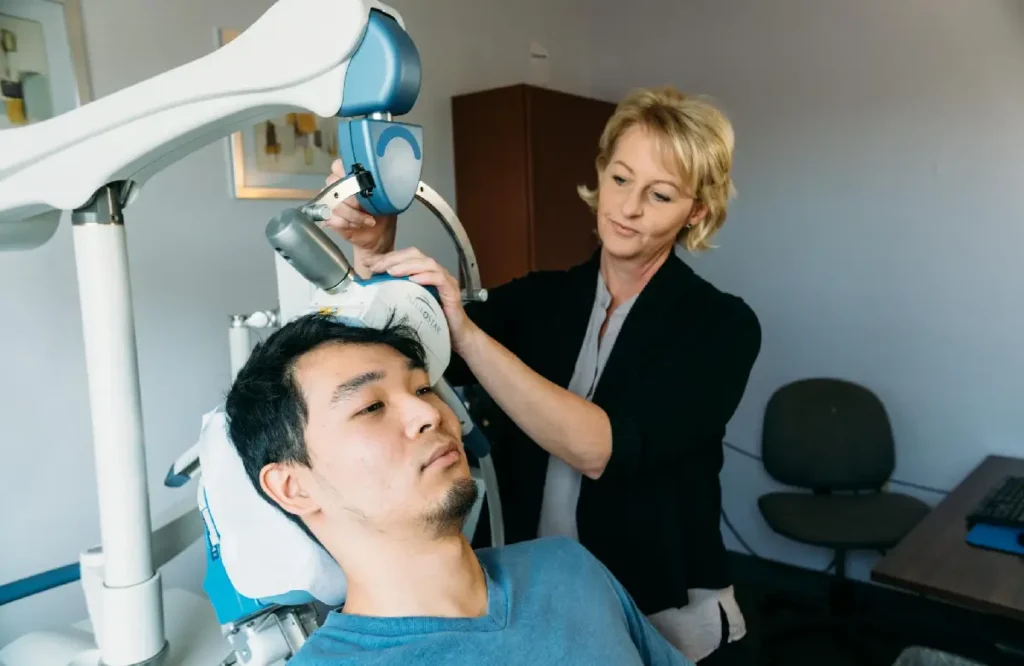
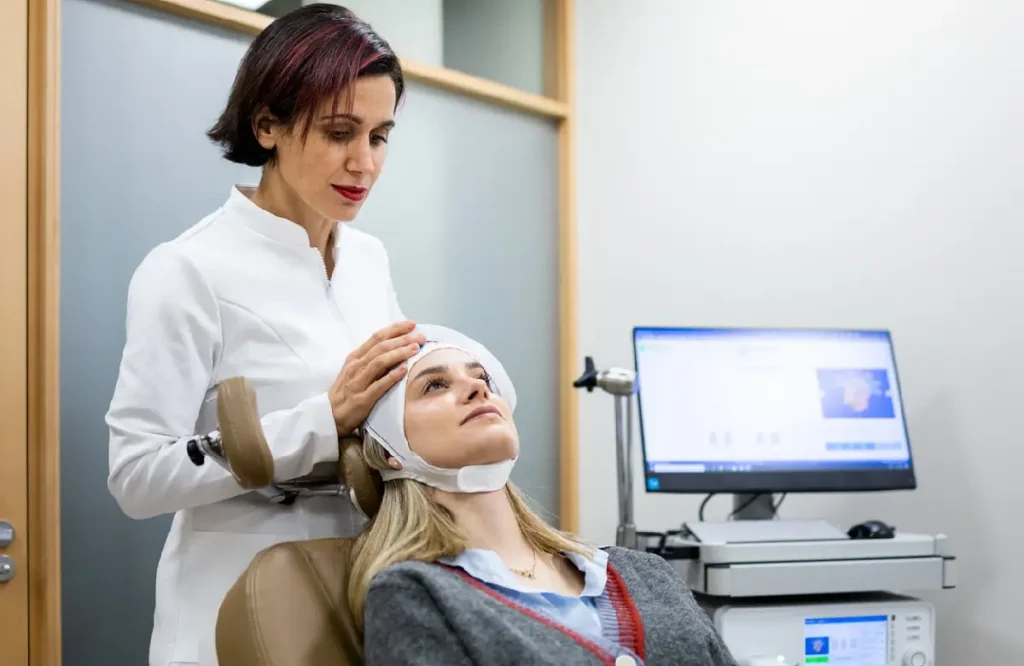
Just imagine that you are sitting on a comfortable chair with a padded helmet-like thing over your head. The brain is stimulated by quick magnetic pulses, which feel like a woodpecker hitting you, but painlessly, to the prefrontal cortex, the mood control center of the brain. These pulses generate small electric currents that amplify neurons that are not very active.
The duration of the sessions is 20-40 minutes, five days a week, for four to six weeks. None of that, you pack up and go home after work. It is out of the patient, and life proceeds. It was green-lighted by the FDA as a major depressive disorder (MDD) in adults with at least one antidepressant failure.
How TMS Works?
Initially, motor threshold testing of your brain is performed and you are charted by your doctor, where the sweet spot is located. They discover the strength of the pulse, which sets your thumb twitching. This ensures precision.
The machine also pulses very fast during treatment, approximately thousands of times per treatment. It noninvasively depolarizes neurons, simulating brain signals. This rewires over weeks, clearing depression fog.
TMS is local, as compared to the SSRIs, which overwhelm your system with chemicals. No gain of weight, no sexual side effects, no foggy brain. It is also perfect for TMS of depression and anxiety since it suppresses hyperactive worry circuits as well.
Who Qualifies for TMS Therapy?
Most suitable in cases where treatment is ineffective, approximately 30% of depression victims. In case of failure of antidepressants or bad side effects, then you are eligible. Male age 18, diagnosed with MDD, no metal implants on the head.
It assists TMS therapy for anxious depression with a combination of mood and worry relief. Research has demonstrated 50-60% response rates, half of which are maintained at six months. Gains are also beneficial even postpartum depression, although off-label, many moms are reporting having brighter expectations after TMS.
Philadelphia clinics have specialization in what is TMS therapy for depression in Philadelphia; they are customized for either anxious or postpartum depression. VA patients enjoy the fact that it is not drug-based.
The Science Behind TMS Success
Studies at Yale and NIH are in support of it. TMS adjusts the activity of certain neurotransmitters, such as serotonin, naturally. fMRI scan reveals increased brain activity after therapy.
A typical course: 36 sessions. The first week is mild, after a week three, strength comes back. According to the patients, colors become brighter, and the patient laughs again. Remission is 30-50%, increased with maintenance.
In the case of TMS therapy for postpartum depression, it avoids the breastfeeding medication risks. Anxious depression? Pulses ease rumination. It’s versatile, OCD too.
Real-Life TMS Stories
Consider a case of Sarah, a mom from Philly who had postpartum blues. Meds filled her up; treatment was stopped. She pursued her toddler following TMS. The question is, What is TMS therapy for depression? My lifeline,” she says.
John was a combatant of anxious depression. Pills amped up his worry. TMS calmed his mind in weeks. Now, he hikes without dread. These are not freak shows, 60% agree with this.
In Philadelphia, TMS therapy for depression in the Philippines searches for busy pros with 70% improvement of mixed anxiety-depression.
Safety and What to Expect
Side effects? Scalp tingles or a brief headache, which dies away quickly. Very rare seizures (1/30,000) are eliminated during screening.
Prep: Omit alcohol day-of; distribute med list. End of the session: It is hydration and sleep. Track mood daily, apps help.
Prices: Between $6, 000 and $12,000 full course, although insurance will cover most of the qualified cases. The Philadelphia spots have a payment plan.
TMS treatment (depression, anxiety) and therapy should be used together. Continue meds if stable. Maintenance? Monthly boosters keep gains.
This in-depth analysis reveals the reason behind the trends of transcranial magnetic stimulation TMS therapy for depression. It is accurate, efficient, and optimistic.
Key Benefits of TMS Therapy
TMS packs real perks over traditional options. Here’s why patients rave.
- Non-Invasive Bliss: No surgery, no anesthesia. Walk in, walk out energized.
- Few Side Effects: Ditch med woes like fatigue or libido loss. Just brief discomfort for most.
- Quick Wins: Feel better in 2-4 weeks. 60% respond; half remit long-term.
- Versatile Help: Rocks for TMS therapy for anxious depression, postpartum, and more.
- Insurance-Friendly: Medicare and private plans cover it widely in 2026.
TMS Therapy Tips and Strategies
Maximize success with smart moves.
- Pick Certified Providers: Verify FDA-cleared machines. In Philadelphia, check reviews for “what is TMS therapy for depression Philadelphia.”
- Combine Therapies: Pair with CBT for lasting wins. Track sleep, exercise too.
- Prep Your Mindset: Commit to the full course. Journal moods weekly.
- Maintenance Plan: Schedule boosters every 6-12 months if needed.
- Lifestyle Boosts: Eat omega-3s, walk daily, amps TMS effects.
Conclusion
We’ve covered the basics: what TMS therapy for depression really is, a non-invasive magnetic treatment that wakes up your brain’s mood centers when meds fall short. From its power against anxious depression and postpartum blues to where to find it in places like Philadelphia, the perks are clear: Minimal side effects, solid 60% success rates, and insurance often footing the bill.
You’re not stuck; many folks walk out of sessions feeling lighter, laughing again, and ready for life. If traditional routes haven’t worked, transcranial magnetic stimulation TMS therapy for depression could be your turning point. Don’t wait to reclaim your spark. Ready to learn more or book a consultation? Visit Minds Over Matter today and take that first step toward brighter days.
FAQs
What is TMS therapy for depression?
TMS therapy for depression, or transcranial magnetic stimulation, uses gentle magnetic pulses to stimulate underactive brain cells in the mood-regulating areas. It’s FDA-approved for treatment-resistant cases, fully outpatient, and helps many who haven’t responded to meds or talk therapy. Sessions are quick and painless overall.
Is TMS therapy for depression painful?
No, TMS therapy for depression isn’t painful for most people; they describe it as a light tapping or knocking sensation on the scalp. Any mild headaches or discomfort usually fade after the first few sessions as your brain adjusts. It’s far gentler than many expect.
How effective is TMS therapy for anxious depression?
TMS therapy for anxious depression is highly effective, with about 60% of patients seeing major improvements by targeting both mood and overactive worry circuits in the brain. Studies show lasting relief for many, often within 4-6 weeks of consistent sessions. It’s a solid option when anxiety mixes with depression.
Can TMS help postpartum depression?
Yes, TMS can help with postpartum depression, even though it’s often used off-label for this. It’s promising and safe for nursing moms since it avoids medications that might pass into breast milk. Many new mothers report brighter moods and more energy after a full course.
Where’s TMS therapy for depression in Philadelphia?
In Philadelphia, TMS therapy for depression is available at many clinics, including university hospitals and specialized mental health centers like those affiliated with Penn Medicine or Jefferson Health. Search for FDA-cleared providers and always check your insurance coverage first to find a convenient spot near you.