
Living with depression or other mental health struggles can feel overwhelming. Many people try different treatments but still don’t get the relief they need. This can leave them feeling stuck, frustrated, and unsure of what to do next.
Transcranial Magnetic Stimulation (TMS) therapy has become a breakthrough option for people who need a safe, non-drug treatment that actually works. If you’ve been wondering how TMS therapy helps and why more people are choosing it, this guide will walk you through everything in a simple, clear way.
Why TMS Therapy Matters
TMS treatment is important since millions of individuals are unable to cope with depression and anxiety despite their attempts to utilize medicine, counseling and lifestyle modification. There are those individuals who are not able to use antidepressants because they cause side effects. They do not improve other people enough.
TMS treatment provides individuals with a second opportunity to feel good – without drugs or surgery.
What Is TMS Therapy?
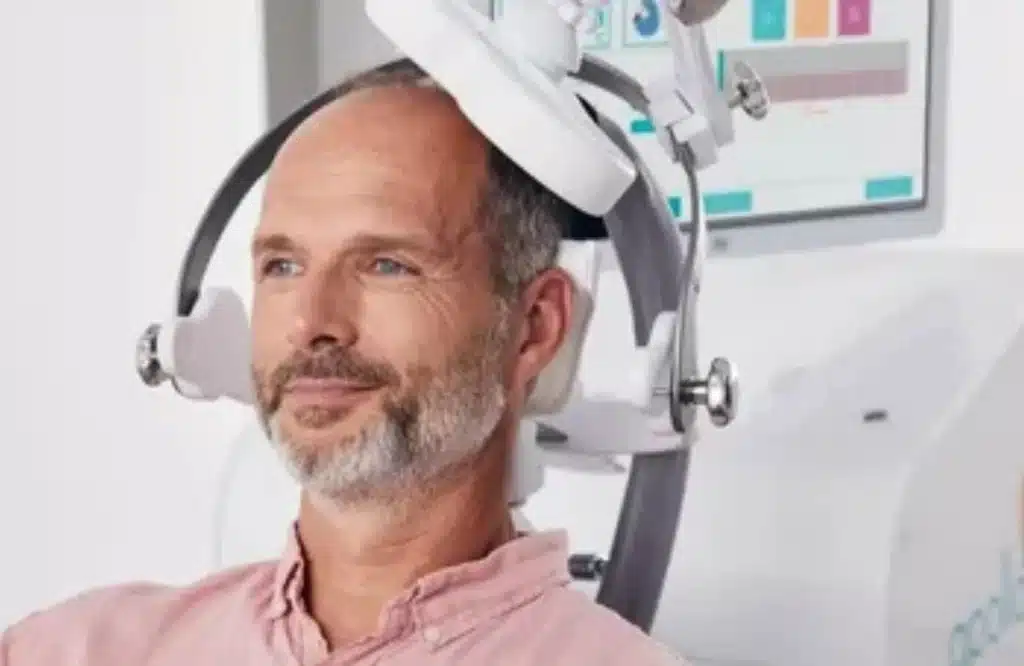
Transcranial Magnetic Stimulation or TMS therapy is a non-invasive mental health therapy that involves the use of mild magnetic pulses to activate specific regions of the brain that control mood. This is because these signals contribute to the regulation of brain activity, effective communication among nerve cells, and easing symptoms of depression.
TMS is:
- Drug-free
- Non-surgical
- FDA-approved
- Safe for long-term use
It is typically used for major depressive disorder, anxiety, OCD, PTSD, and even chronic pain in some cases.
Understanding TMS Therapy In-Depth
TMS therapy should undergo a closer examination since it is not like the other forms of treatment. Unlike the impact of medication on the entire body, TMS only targets the part of the brain that can regulate moods and emotions. This is a step-by-step explanation of its mechanisms and duration and the expectations of patients.
How TMS Therapy Works
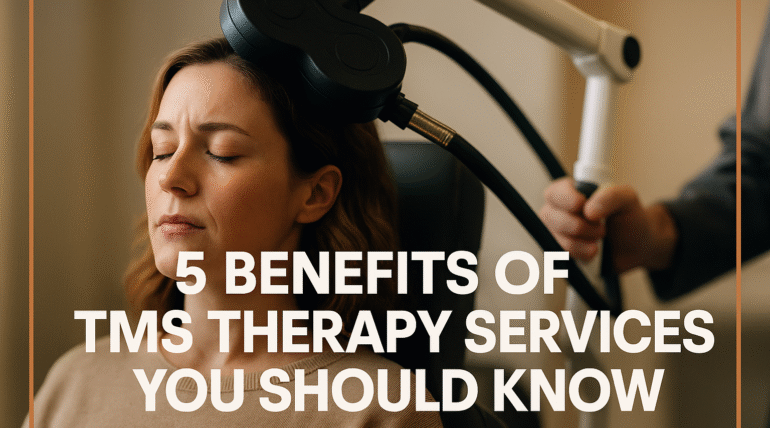
A kind of device is used to treat the scalp and that is put in place. It uses magnetic pulses, the kind of pulse employed in MRI machines, to the brain. Such pulses activate depressed nerve pathways in depressed individuals.
Imagine it as a wake-up call to tired brain cells and promoting healthier communication.
The process:
- You sit comfortably in a chair.
- A technician positions a magnetic coil at the right spot on the head.
- Magnetic pulses enter the brain, helping improve function.
- You stay awake, and most people feel only tapping sensations on the scalp.
In the following weeks of the course, the brain functions better, the mood is better, and the symptoms decrease.
TMS vs. Antidepressant Medication
TMS is sought by many when all other attempts (medication) have been unsuccessful. Typically, 1 in every 3 depressed patients does not respond well to antidepressants.
Here is how TMS compares:
| Feature | TMS Therapy | Antidepressants |
| How it works | Stimulates the brain directly | Circulates through the whole body |
| Causes weight gain | No | Often |
| Sexual side effects | No | Common |
| Daily dosage | None | Daily pills |
| Works when meds don’t | Yes | Not always |
TMS is non-chemical and targeted; therefore, many patients report feeling less drug-like, clearer, calmer, and more balanced.
Who Can Benefit from TMS Therapy?
TMS is often recommended for adults who:
- Have major depressive disorder
- Have tried medication with limited success
- Cannot tolerate the side effects of antidepressants
- Prefer a non-drug approach
- Want long-term improvement
- Have anxiety, OCD, or PTSD
Even athletes, employed people, and students prefer TMS as it does not disorient everyday life.
Is TMS Safe?
Yes. TMS is approved by the FDA and is extensively researched. The most frequent side effects are mild and transient, including:
- Scalp tingling
- Light headache
- Mild fatigue
All these tend to pass away after a few sessions. No amnesia, and no long-term cognitive impairment as in the case of some older treatment modes, including electroconvulsive therapy (ECT).
What a Typical TMS Treatment Program Looks Like
A full TMS program usually lasts 6 to 9 weeks.
Here is a simple timeline:
- Week 1: Brain mapping and treatment start
- Weeks 2–6: Daily sessions (about 20–30 minutes each)
- Week 7 and beyond: Results are evaluated and progress continues
Most people begin noticing improvement between weeks 3 and 5.
Real-Life Example
Imagine Sarah. She tried:
- Two different antidepressants
- Weekly therapy
- Exercise
- Lifestyle changes
But nothing fully helped. After beginning TMS, she noticed:
- She slept better
- She felt more like herself
- Her motivation returned
- Daily tasks became easier
Stories like Sarah’s are common and they are the reason TMS is growing rapidly as a treatment option.
5 Benefits of TMS Therapy Services You Should Know
Now, let’s explore the five biggest advantages of choosing TMS therapy.
1. No Medication or Surgery Required
TMS does not involve:
- Pills
- Injections
- Incisions
- Sedation
You spend the entire time awake and then you go back to normal life. Individuals who do not desire medication or are not able to have it at all, finally have an actual option, which is a working one.
2. Minimal and Short-Term Side Effects
Unlike antidepressants, which can cause:
- Weight gain
- Low energy
- Sexual problems
- Emotional numbness
Most side effects of TMS are not complex and are rather short-term. The majority of the population undergoes treatment without any complications.
3. Effective for Treatment-Resistant Depression
The fact that TMS therapy has been successful in patients who have undergone various treatments is one of the largest advantages of the therapy. Research indicates that TMS is effective even when drugs are ineffective.
Many patients experience:
- More energy
- Better focus
- Improved mood
- Reduced anxiety
- Greater emotional stability
4. Long-Lasting Improvements
TMS does not merely hide the symptoms but it assists in retraining brain pathways. Raising results are long-term (even years) in several individuals.
In case of a relapse of the symptoms, short sessions of booster therapy can easily regain the progress.
5. Fast Treatment with No Downtime
An average TMS treatment lasts 20-30 minutes. After that, you can:
- Drive
- Go to work
- Exercise
- Return to normal life
No recovery time is needed, perfect for people with busy schedules.
Extra Tips for Getting the Most Out of TMS Therapy
Be Consistent
Regular results come as a result of regular sessions. Absence of appointments may slow down.
Combine with Counseling
The combination of TMS and therapy has proven to be the most effective in many patients.
Keep a Progress Journal
The combination of TMS and therapy has proven to be the most effective in many patients.
Ask Questions
A good clinic will explain:
- How TMS works
- What results to expected
- How sessions are customized
When one feels that he or she is informed, it becomes easier and more comfortable.

Conclusion
TMS treatment is transforming the lives of individuals with depression, anxiety and other mental disorders. It is a non-pharmacological, non-drug and long-term method of recovery, particularly where the traditional methods fail to offer relief. TMS has been made one of the most exciting treatments in the present with short sessions, minimal side effects and a high success rate.
If you or someone you love is looking for real change and a chance to feel better again, TMS therapy might be the next step.
To explore more, visit Minds Over Matter.
Frequently Asked Questions
1. Is TMS therapy painful?
No. Most people feel only tapping or light pressure on the scalp.
2. How long does a TMS session take?
Usually 20–30 minutes. You can return to normal activities right afterward.
3. Do I need medication while doing TMS?
Not always. Some people use both, while others rely on TMS alone.
4. How soon will I feel results?
Many patients notice improvement within 2–4 weeks, with results increasing over time.
5. Is TMS safe?
Yes. It is FDA-approved, non-surgical, and has very mild side effects.