
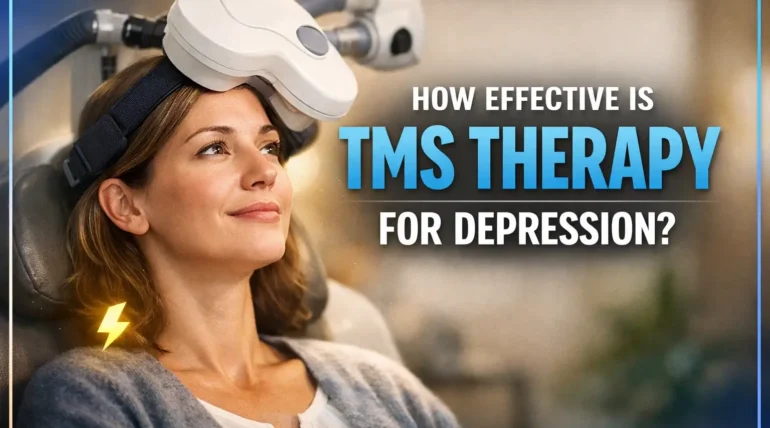
Depression will make each day seem like a burden to bear, particularly when the pills and the therapy fail to provide you with the relief you are seeking. It is then that most individuals begin to pose a very powerful question: How effective is TMS therapy in depression, really?
Transcranial Magnetic Stimulation (TMS) is a new and non-surgical method of treatment in which the treatment of the brain occurs at the mood centers without anesthesia, surgery, or daily pills. It is supportable by the FDA and is non-invasive and is meant for people who feel stuck even after using various antidepressants.
Patients all over the globe are reporting actual improvements: They feel brighter, sleep better, feel more energetic, and have a new hope in life. However, is TMS the new thing or is the science evidence-based? In this guide, we’ll break down how well TMS works, who it helps the most, and what you can reasonably expect of this current state-of-the-art depression treatment.
What Is TMS Therapy?
TMS treatment is transforming the treatment of depression, without surgery, heavy medication, or hospitalization. In case you had ever desired a treatment that would directly attack the mood center of your brain, TMS may be the answer to your prayer.
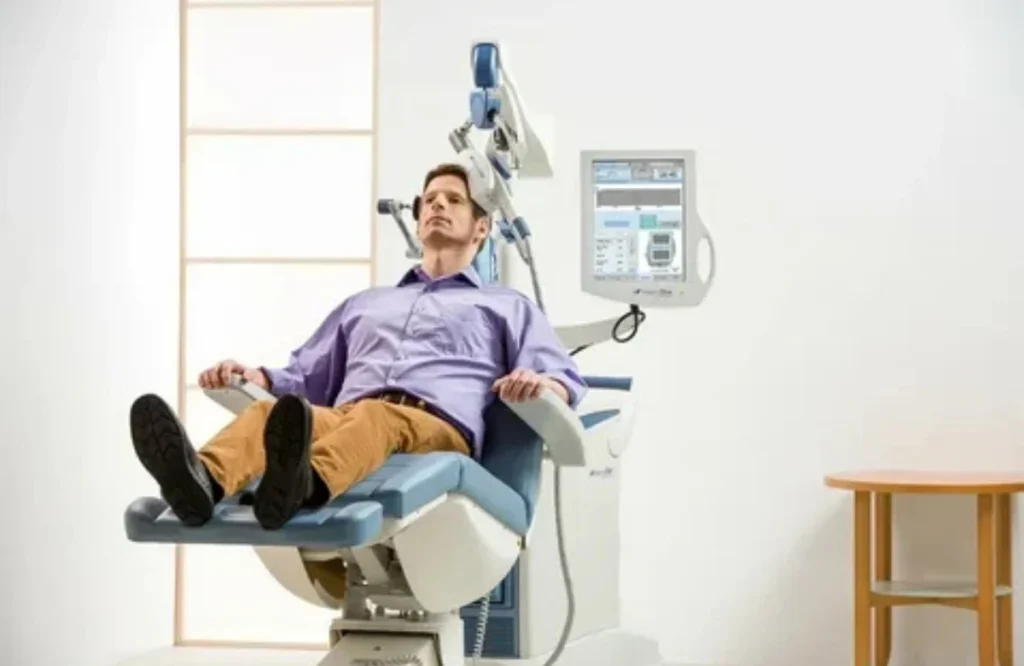
Transcranial Magnetic Stimulation (TMS) is a treatment involving mild electric impulses to the brain that is depressed, which aims to get the brain region to wake up. You are sitting in an easy chair in a comfortable position, are in a complete state of awareness, and are walking out after every session prepared to resume your day. No sedation. No downtime.
It is FDA-approved, not invasive, and particularly useful among individuals who have not been able to respond to normal antidepressants. TMS therapy has become the turning point for many people who were experiencing several years with low mood, anxiety, and a lack of interest.
Understanding Transcranial Magnetic Stimulation
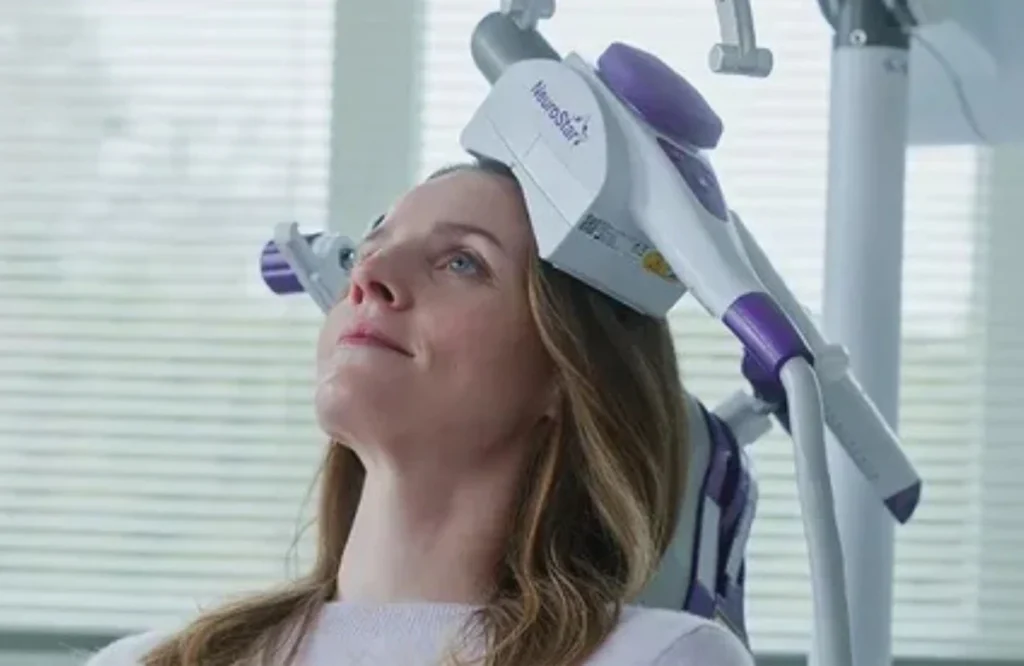
Transcranial Magnetic Stimulation also known as TMS is a non-invasive treatment applied to the brain, mostly to treat depression. Non-invasive implies that there is nothing that is introduced into your body. Surgeries, no needles in your brain.
In brain stimulation with TMS, a little coil is inserted on the head. This coil passes a low level of magnetic pulses into certain parts of your brain that determine mood. These are the magnetic pulses equivalent to those of the MRI machines, but of lower power and a smaller area.
TMS therapy has been approved by the FDA for the treatment of major depressive disorder, particularly in situations where individuals have used antidepressant drugs and have not gotten a sufficient response. Most individuals believe it is one of the brightest alternative therapies for depression today.
How TMS Brain Stimulation Works
Depression is associated with alterations in the functioning of the brain. The left dorsolateral prefrontal cortex (the part associated with mood, energy, and decision-making) is one of the areas that tends to be underactive. When this space is silent, then you might experience low, fatigued and hopeless.
The TMS brain stimulation effectiveness works by:
- Repeating magnetic pulses to this brain region of the mood.
- Stimulating Nerve cells (neurons) that are active.
- Assisting brain circuits to re-awaken and operate more normally once again.
Over time, these repeated TMS sessions can help reset your brain’s mood pathways, much like physical therapy helps retrain a weak muscle.
Difference Between TMS Treatment and Other Therapies
TMS therapy is not the same as medication or talk therapy:
Compared to medications
- TMS does not pass through your gastrointestinal tract or blood.
- Common side effects of drugs such as weight gain, sexual problems, and drowsiness are not common side effects of it.
- It does not affect your whole body, but only those parts of the brain that are associated with mood.
Compared to talk therapy (counseling)
- TMS works on the physical brain circuits.
- The talk therapy is concerned with thoughts and beliefs and behavior.
- Most individuals combine them both to achieve better results.
Compared to electroconvulsive therapy (ECT)
- TMS does not involve the use of anesthesia.
- You stay awake the whole time.
- The side effects of TMS therapy also tend to be mild and they rarely involve memory loss, as in the case of ECT.
Due to such distinguishing features, TMS treatment is viewed as a safe and effective middle ground between drug and more severe interventions such as ECT.
How Effective Is TMS Therapy for Depression?
TMS for Depression: Mechanism and Benefits
TMS has been used in the treatment of depression for several years. The primary aim is to make you happier by altering the manner in which your brain cells interact.
Here’s how it helps:
- Targets the right brain area
The device is fitted during the TMS sessions on the section of your brain responsible for mood. This is typically outlined with the help of measurements of your head or brain scanning. - Improves brain communication
The electrical currents in your brain are a result of the magnetic pulses. These aid in nerve cells firing at a higher rate and frequency. This has the potential to build up weak mood circuits after weeks. - Supports new brain connections
As you keep on being stimulated, your brain could develop new and healthier patterns. These may help in the improvement of mood, clarity of thought, and stability of emotion.
TMS Therapy Benefits for Mood and Emotional Health
TMS depression treatment also does not have a mood-only impact. It can also enhance the general emotional wellness:
- Better stress handling
You can discover that the day-to-day stress can become easier to handle. Bad days are easier to get over.
- Improved relationships
Once you feel better, you can be more patient, more present and more connected with others. This is beneficial to family and social life.
- More interest and pleasure
Activities that were previously perceived to be meaningless are likely to become enjoyable or significant once again.
- Greater sense of control
Most of them report that they feel that they are again more like themselves with increased control over their feelings and choices.
Such changes will be effective in recovering over time in combination with proper sleep, healthy habits, and assistance like therapy.
Success Rate and Effectiveness of TMS Therapy
Long-Term Effectiveness for Depression
There is a question that everyone would like to have answered: Will TMS results be long-lasting? The studies and real-life experience indicate:
- A full course of TMS can make many patients feel better months and years later.
- Others might require a booster/maintenance TMS session in case of a relapse of the symptoms.
- Gains can be maintained with the help of staying in therapy, using medication in case of prescribed, and following healthy habits.
TMS therapy does not bring about a magic cure and to a large number of people, TMS therapy is an important component of long-term management of depression.
Key Benefits and Practical Tips
Main TMS Therapy Benefits
The TMS therapy advantages are some of the most significant; they include:
- Non-invasive and drug-free treatment option.
- Fewer side effects compared to most drugs used in the whole body.
- Applicable in depression that is resistant to treatment.
- No need for any anesthesia or hospitalization.
- One can resume their normal operations immediately after TMS.
- It can ameliorate the symptoms of depression and anxiety.
- May can be used to supplement short-term mood stability.
Tips to Get the Most Out of TMS Treatment
To improve your chances of success:
- Stick to the schedule. Try not to miss sessions. Brain changes are dependent on regularity.
- Get in touch with your provider. Communicating any side effects or concerns is possible so that they can change settings.
- Wait to see little improvements. Notice the initial improvements such as improved sleep, an increase in energy or reduced crying. These are indicators that things are heading in the right direction.
- Use therapy or counseling. TMS should be used together with talk therapy to develop coping mechanisms to avoid relapse.
Keep healthy habits. Get enough sleep, exercise, and take frequent meals. These contribute to even better brain reactions to treatment.
Conclusion:
TMS therapy offers real hope for people living with stubborn depression. By gently stimulating mood-related areas of the brain, TMS treatment can ease symptoms, improve emotional health, and help you feel more like yourself again. With a strong safety profile, growing research, and solid TMS therapy success rates, it stands out as one of the most powerful alternative depression therapies available today.
If you or someone you love is struggling with depression and wondering whether TMS therapy could help, now is the time to learn more and talk to a professional. To explore more, visit Minds Over Matter.
FAQ’s
Q: Is TMS therapy painful?
A: TMS brain stimulation is not painful to most people, and you might experience tapping or pressure on your head. Light pain can be improved in a few sessions or in relation to minor changes to the device.
Q: How soon will I feel better with TMS for depression?
A: Others can see improvement in 1-2 weeks, although it tends to take 34 weeks before improvement is clearly seen. By the conclusion of the TMS sessions, your complete reaction is normally observed.
Q: Can I stop my antidepressants if I start TMS treatment?
A: Do not terminate any drug without consulting your doctor. Not all individuals discontinue TMS medication immediately after treatment, and some continue to take it during and after treatment, which additionally aids the individual.
Q: Are TMS therapy side effects long-lasting?
A: The majority of TMS treatment side effects, such as scalp discomfort or minor headaches, will disappear in a short period. Problems are serious or long-lasting in rare cases, particularly when screening is carried out appropriately.
Q: Is TMS for anxiety officially approved?
A: TMS is not only accepted for depression, although most individuals feel less anxious when they feel better. Certain clinics perform certain TMS protocols as a result of anxiety, according to emerging research, although this may be limited.