
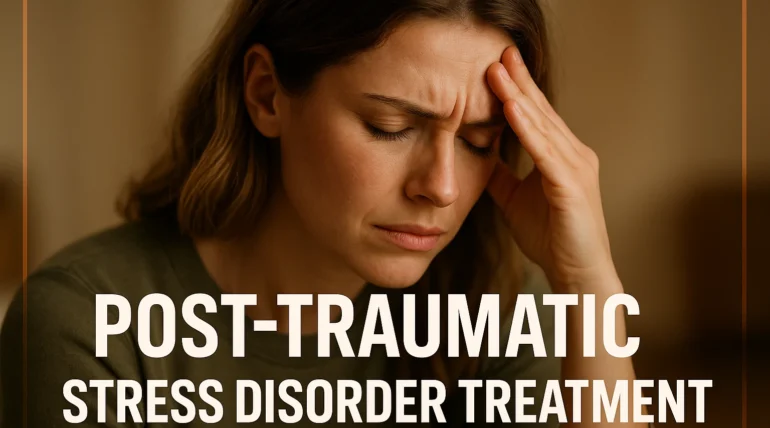
Post-Traumatic Stress Disorder (PTSD) is known as a serious psychological disorder that results from a person suffering or seeing a traumatic event. Such events can be accidents, natural disasters, violence, combat, or abuse, which overwhelm the individual’s ability to manage. To provide the affected individuals with healing and control over their lives, it is important to understand the causes, symptoms, and effective treatments of PTSD. This blog provides the key details of PTSD, giving an insight into progressive recovery ways and the effect of PTSD on individuals.
What Is PTSD?
Post-Traumatic Stress Disorder (PTSD) is a condition in which the mental health system is damaged due to a traumatic event or witnessing one. Patients with PTSD are often confronted with the trauma through flashbacks, which are so real that the person is unable to tell whether it is a memory or the present; also, nightmares and disturbing memories are some of them. Moreover, they tend to avoid anything that can remind them of the event and may face different emotions such as guilt, shame, anger, and fear.
What Causes PTSD?
The truth of why certain people get PTSD and others do not is still quite a mystery at this point. Factors that raise the possibility of developing PTSD include Prior Mental Health Issues, such as:
- Anxiety or depression
- A lack of social support
- Genetic predisposition
- Severity or duration of the trauma.

Brain changes in individuals with PTSD occur in memory, fear, and motivational regulation areas that influence the processing of traumatic memories. These stress hormones, such as adrenaline, cause ongoing “fight or flight” responses, even in situations when it is not needed.
Recognizing the Symptoms of PTSD
| Symptom Category | Description |
| Intrusive Memories and Flashbacks | Unwanted memories, flashbacks, nightmares |
| Avoidance Behaviour | Avoiding reminders of the trauma |
| Negative Changes in Thinking and Mood | Negative thoughts, guilt, shame, emotional numbness |
| Changes in Physical and Emotional Reactions | Being easily startled, irritability, sleep problems |
In kids, symptoms might additionally consist of regression in behavior, scary dreams, or re-enacting the trauma by means of play. The onset of signs can be from a few weeks to generally months or years after the traumatic event.
Therapies That Help Treat PTSD
Several therapies have been effective in treating PTSD that focus on providing relief to individuals suffering from traumatic memories and symptoms. The most thoroughly researched and suggested treatments include:
1. Prolonged Exposure Therapy (PE)
This method is basically the gradual and controlled confrontation with memory and situations that are the root of the trauma to lessen terror and the tendency to avoid. It comprises the use of imaginal exposure (re-experiencing traumatic memories in a controlled setting) and in vivo exposure (going into safe situations that are avoided). PE works to lessen PTSD symptoms as it assists the brain in processing traumatic memories differently.
2. Cognitive Processing Therapy (CPT)
CPT is centered on changing the negative and unhelpful beliefs associated with the trauma, for instance, the feeling of guilt or blame. It allows individuals to question and reframe these thoughts, which eventually leads to the improvement of their emotional health. Moreover, CPT may involve some writing work and has demonstrated significant findings in alleviating PTSD and depression symptoms.
3. Eye Movement Desensitization and Reprocessing (EMDR)
EMDR involves the use of guided eye movements or other forms of bilateral stimulation while the subject is recalling a traumatic memory. This method enables the reprocessing of disturbing memories, thus reducing the emotional burden. The use of EMDR is widespread and its success is highly acknowledged.
4. Other Therapies:
Additional methods may involve trauma-focused cognitive behavioral therapy (CBT), narrative exposure therapy, mindfulness-based stress reduction, and a few new therapies like accelerated resolution therapy and the treatment that uses music or martial arts.

5. Medications:
Although psychotherapy is primed, drugs like certain antidepressants (paroxetine, sertraline, venlafaxine) may be of assistance in the alleviation of the symptoms. Medications might help in sleep, lessen the feeling of anxiety, or treat the occurrence of other disorders like depression. On the other hand, some groups of drugs like benzodiazepines are the category that most of the time is avoided because of the potential danger.
Most of the therapies are usually performed through 12 to 16 weekly sessions and are possible both in person and through telehealth. The selection of therapy depends on the patient’s individual needs, likes, and the intensity of symptoms. Often, the best result is obtained by the combination of therapy and medication.
When to Seek Professional Support
One should also seek professional assistance when PTSD symptoms persist beyond several weeks or when they start impacting life. In case of self-harm or harm to other people, urgent assistance is required.
Red flags that professional help is required are relentless irritability, loss of concentration, and unemotional feelings, risk-taking, extreme sleeping difficulties, and increased alcohol or drug use to manage distress.
When a person begins to experience certain symptoms, months or even years after a traumatic incident, it is never too late to seek assistance. Effective treatment is possible by means of professional treatment, including therapy and pharmaceutical treatment.
If you are looking for professional support, Minds Over Matter is the solution. Our caring mental health professionals provide personalized therapy and support to help individuals recover and regain their lives.
Conclusion
Post-traumatic stress Disorder (PTSD) is an illness that may manifest in anybody who has undergone a traumatic experience. It causes severe memory, emotions, and physical responses that may render everyday life challenging. Treatment and management of the symptoms should be done as soon as possible to enhance the quality of life. Good treatment, therapy, and recovery can be achieved through professional assistance.
FAQs
What is PTSD?
PTSD represents a mental disorder triggered by trauma.
What are common symptoms?
Some symptoms include flashbacks, nightmares, avoidance, negative thoughts and startling easily.
How soon do symptoms appear?
The symptoms tend to begin weeks after the trauma but may occur months or years after.
Can children get PTSD?
Yes, children might exhibit such in different ways, such as acting out or having a bad dream.
How is PTSD diagnosed?
A care provider examines your trauma history and symptoms to diagnose.
What then are the options?
Therapy, medication and support groups are used to treat this condition.
When should I seek help?
Contact for help with symptoms that have lasted more than a month or are interfering with daily life.