
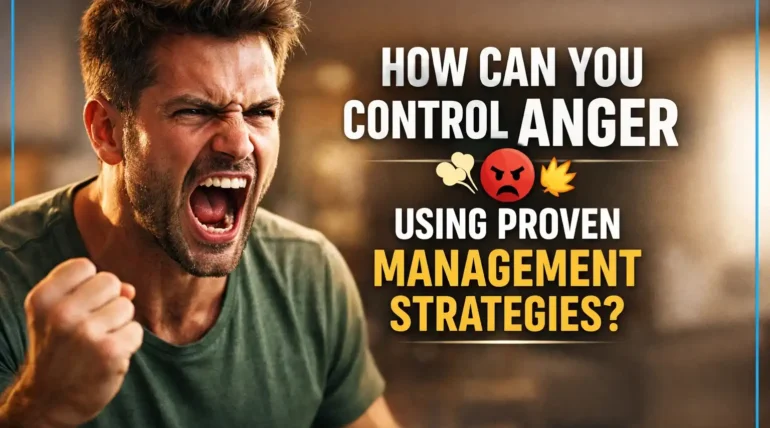
You are driving along the highway after the day ends, and some maniac cuts in front of you without notifying you. Your blood boils, your fingers clench the wheel hard, and you are a second away from laying on the horn. Sound familiar? It is those rage antibodies that strike all of us Americans, worn-out parents in the suburbs, New York traffic jammers, or those who are working and raising their families in the Midwest.
But here’s the truth: Unchecked anger is not so charming. It destroys relationships, kills health, and even jobs. High blood pressure? Sleepless nights? Fights with your spouse? Yeah, wrath is the cunning Villain.
The upside? You do not need to live in such a way. Tricks that are supported by science, such as quick breathing or a quick walk, can cool you down within minutes. No fancying treatment in the offing. In the USA, where the stress level is through the roof (also, CDC stats), it is incredible to master the level of controlling anger. This manual oozes with actual anger management techniques that are sworn upon by busy people.
From spotting triggers in daily chaos to ways to manage anger on the spot, we’ve got you covered. Ditch the blowups. Grab anger control strategies that stick. Ready to stay calm under pressure? Let’s dive in; you’ll handle dealing with anger like a boss by the end.
What Is Anger and Why Does It Feel So Hard to Control?
Anger is an ordinary feeling, such as joy or gloom. It is a body thing of telling you something is wrong. However, it might seem that it is impossible to contain when it explodes suddenly and powerfully. Consider it like a fire alarm; it is useful when listened to, but dangerous when unchecked.
The reason behind the overwhelming anger can be reduced to stimuli such as stress or previous traumas. Your brain goes into fight mode, and you are loaded with adrenaline. That is when anger and control are playing with fire, as your rational side is on the back burner.
Common Causes of Anger in Daily Life
Life throws curveballs that spark anger. Here’s what often sets it off:
Pressure: Stress and work pressure: There are deadlines, and it seems that a minor error is colossal.
Relationships: A snappy remark from the partner or a tantrum from the kid can be a button pusher.
Past experiences: Hidden trip wires: Old grudges or trauma.
How Anger Affects Your Mind and Body
Anger does not always remain in your head. Physically, it ramps up your blood pressure, strains the muscles, and leaves you trembling. Psychologically, it clouds your mind, increases anxiety, and wears you out. Poor anger negatively affects sleep, increases headaches, and worsens relationships in the long run.
Signs You May Need Better Anger Control Strategies
Early anger recognition will make you take action before it boils over. When frustration becomes frequent, then this is a warning. Perhaps you are yelling at people you love or running arguments in your mind at night.
Poor anger control can be signaled by such aggressive behaviors as yelling or banging doors. And when it takes hours to calm down, then it is time to change. It is uncontrolled anger that oozes in all spheres of life.
When Anger Starts Affecting Relationships and Health
It puts some distance in your personal life, friends divide, and quarrels get bigger. It threatens employment in the workplace due to blowups or burnouts. Medically, a lack of anger in chronic cases is associated with cardiac complications and poor immunity. Don’t wait for rock bottom.
Proven Anger Management Strategies That Actually Work
This is the core of all: Proven management techniques to master anger and the methods of controlling it. Here we will get into the details, using examples of life, that is, how and why they work. They are not fluffy tips and are supported by psychologists and employed by millions of people to restore the lost anger and control.
Anticipate pragmatic aids regarding the hows to control anger, both short-term and long-term.
Build Awareness with the STOP Method
Anger is knowing how to goaround; however, it creates space by stopping. Use the “STOP” technique: Pause everything that you are doing, have a breather, notice how you feel, and continue with a mindful process.
Imagine Sarah, who is caught in traffic congestion. She does not honk wildly but stops, breathes, and notices her clenched jaw and opts to play music. Boom, anger defused.
Master Deep Breathing for Quick Calm
Next, master deep breathing. It is free, quick, and rewires your nervous system. Breathe in and inhale 4 times, then retain and 4 times, and exhale 4 times (box breathing). Do this when rage builds.
John employed it in family dinners. His teenager used to stimulate shouting with an eye-roll; he is calmed down with breathing nowadays. It is demonstrated by science to reduce cortisol, the hormone of stress that causes anger.
Take Time-Outs to Break the Cycle
Breaks are precious to anger management techniques. Go away for 10-20 minutes, nothing said, only nothing. Walk outside or sit quietly. This interferes with the cycle of impulse.
Lisa is a busy mom who introduced the use of cool-down corners in the house. When the brother-sister conflicts flare, children (and she) withdraw. Fights drop 70%, she says.
Use Physical Activity to Burn Off Anger
Ramp up physical activity. Anger is swept out of the body through exercise. The quick 20-minute walk is the release of nature in its chill pills, the endorphins. Or punch a bag, safely.
Mike is a stressed father who functions by jogging after disputes at work. Nor does it clear my head, he says, better than anything. There is research to support this by the American Psychological Association, which proves that exercise is the same thing as therapy when dealing with mild anger.
Try Mindfulness Anger Management Basics
At this point, remember mindfulness and anger management. This keeps you here, not going round and round. Begin with a check-up of the body: Lie down, feel a discrepancy of the toes to the head, and inhale through the tight areas.
Emily battled road rage. Her anger would escalate very early every day because of the 5-minute scans. Responses were soothed out; honks were waves.
Anchor Yourself with Grounding Techniques
The methods of grounding hold you grounded. Name 5 things that you see, 4 things that you touch, 3 things that you hear, 2 things that you smell, 1 thing that you taste. Instant reset.
Tom based himself on a meeting during a boss meltdown. He remained composed, articulate, and respectable.
Explore Meditation for Anger Management
Have a mindful time and meditate to manage your anger. It is not woo-woo, it is brain training. Meditation with the focus on breathing: Sit for 10 minutes, observe your breath. Wander? Gently return. Applications such as Headspace are mentorship-based.
Studies in JAMA indicate that it reduces the amygdala (anger center) in 8 weeks.
Benefit from Guided Meditations
The structure of guided meditations glares. Go to YouTube, search anger release, and imagine anger as a smoke blowing away. Aim for 10-15 minutes daily.
Priya used to meditate every night, after divorce. The anger had died; the peace increased, she observes.
Vent Safely Through Journaling
Journaling vents safely. Write the anger story. What happened? Feelings? Triggers? Better responses? Re-read later for patterns.
Alex journaled work rants. He identified an element of perfectionism, a change of mindset, and promotion ensued.
Talk It Out with Trusted People
Talk it out with trust. A friend is the one who listens and gives their point of view. Find no way to vent to stoke anger, find sympathy. It gets normalized through group shares such as AA-like meetings.
Reframe Thoughts with Cognitive Techniques
In more difficult situations, the thoughts are reworked using cognitive behavioral approaches. Anger usually takes its origin in shoulds, such as, They should know better! Challenge: “Is that true? What’s my part?”
Therapists teach this; practice solo too.
Combine Strategies for Maximum Power
Power up: Morning meditation, walks in the middle of the day, and night journals. Track wins in an app.
Actual scenario: Dave, a 40s executive, lost his temper with the employees. He piled breathing and exercise with mindfulness. Within three months, 360 reviews were made in his commendation of calm leadership.
Build Long-Term Habits for Lasting Control
Long-term, build habits. Get 7-8 hours of sleep, and fatigued minds spring open. Food to be had in moderation; sugar bursts. Restricting alcohol, it decreases inhibitions.
Surround yourself with positives: Supportive people, hobbies like gardening.
These anger management techniques are effective since it addresses the causes, body, mind, and feelings. It is not a magic overnight but constant practice changes. Frustrated? Pick one today. Overwhelmed? Start small. This is yours; you would have the control.
Effective Ways to Manage Anger in Everyday Situations
Ready for quick wins? These are tips on how to control anger like those in bulletproof vests. Use them anywhere.
- Delay your response: Count to 10. Allows the brain time to have a rest.
- Healthy expression: Ugh, I am frustrated, because…not blame.
- Make fun: Find a joke on the Internet. Humor shrinks anger fast.
Mindfulness and Meditation Techniques for Lasting Calm
Anger management and anger management through mindfulness are sources of inner strength. Try these daily:
- Body scan: 5 minutes, head-to-head relaxation.
- Audio Guru: 10 minutes before bedtime on how to best get rid of anger.
- Walking meditation: Pay attention to the steps whilst walking.

When to Seek Anger Control Counseling and Treatment
Self-help is good, but at other times you may require experts. Anger is destructive to life, and in such a case, anger management counseling is an option. CBT implies therapists unraveling roots. The treatment of anger can be done using:
- Individual meetings on individual plans.
- Sharing stories in group therapy.
- Flexibility programs online.
When anger is treated, it is a long-term remedy for preventing burnout.
Conclusion:
Anger doesn’t have to run the show. From understanding triggers to breathing deep, anger control strategies like mindfulness and exercise put you in charge. Start small, pick one tip, and practice daily. Emotional balance awaits.
Ready for expert support? Schedule a session at Minds Over Matter to master dealing with anger for good.
FAQ’s
Q: What are the best ways to manage anger right now?
A: Try deep breathing, inhale for 4, hold for 4, exhale for 4, or take a quick 10-minute walk outdoors. These anger management strategies calm your body fast, slashing stress in minutes without any harm.
Q: How does mindfulness anger management work?
A: It trains you to stay present, spotting anger before it explodes and cutting emotional overreactions. Simple exercises like grounding (name 5 things you see) build the habit quickly for everyday use.
Q: Is meditation for anger management effective?
A: Yes! Just 10 minutes daily shrinks stress hormones and quiets your mind’s anger center. Breath-focused types work wonders for relieving anger, with studies showing real brain changes in weeks.
Q: When should I seek anger control counseling?
A: If anger hurts relationships, work, or health, like constant fights or high blood pressure, it’s time to call in pros. Counselors offer tools that self-help misses, helping you rebuild anger and control safely.
Q: What’s the best way to relieve anger at home?
A: Grab a notebook for journaling your triggers or do gentle stretches to loosen tight muscles. These safe outlets release built-up tension fast, no equipment needed, keeping you and others safe.