

Everyone feels angry sometimes; it’s a normal human emotion. But when anger starts controlling you instead of the other way around, it can cause problems in relationships, work, and even your health. The good news is that anger can be managed with the right mindset and behavior-based strategies.
In this guide, we’ll explore behavioral strategies for managing anger that can help you stay calm, think clearly, and respond better when emotions run high. Whether you’re dealing with everyday frustrations or deep-rooted anger issues, these techniques will help you take back control.
Understanding Anger and Its Impact
What Is Anger and Why Do We Feel It?
Anger is an emotional state that is a natural reaction to unjust, frustrating, or even threatening situations. It belongs to the system of fight-or-flight of our body that protects us. However, although anger is not a bad thing, the manner in which we display it can be everything.
Anger is a positive response to something that requires to be addressed perhaps a boundary was overstepped, or your needs were not taken into account. Learning to see anger as a message instead of a problem would enable you to cope with anger.
The Psychology Behind Anger Responses
There is also the psychological aspect of anger, which is mostly a second-tier emotion i.e., it is an emotion that hides other emotions such as hurt, fear or disappointment. This is a good example because when you are feeling rejected or helpless you may end up lashing out in anger. Consciousness of these unseen feelings can make you act not out of your emotions but consciously.
Behavioral therapy tends to be aimed at determining thought processes that cause anger. Transforming those patterns provides you with an opportunity to reform your emotional responses.
How Uncontrolled Anger Affects Mental and Physical Health
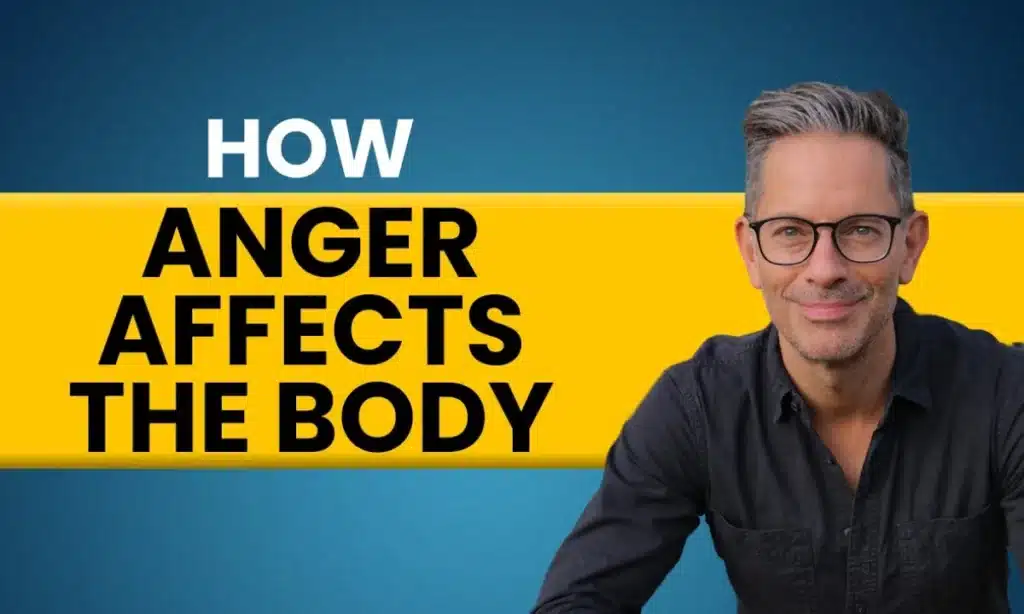
Losing control of anger may become a burden to your internal and physical being. It elevates blood pressure, accelerates the heart rate and discharges stress hormones such as cortisol. With the course of time, chronic anger may cause anxiety, depression and even heart issues.
It may put a strain on relationships and instill feelings of guilt or remorse on the emotional level. It is not only a matter of learning to remain calm but also to defend your mental and physical health in general when learning how to control anger.
Common Triggers and Patterns of Anger
Recognizing Your Personal Anger Triggers
The initial action that can be taken towards managing anger is to discover what triggers you. Anything may trigger it, an ugly remark, traffic, unmet expectations or personal stress. To be able to recognize patterns and prepare for such cases in the future, it is possible to keep a trigger journal.
The Role of Stress, Frustration, and Unmet Expectations
Among the most frequent causes of anger are stress and frustration. In times of excessive work, being unheard, or being disappointed, anger is one of the solutions. In many cases, it is not necessarily a single incident that leads to an outburst it is the accumulation of minor stressors.
Anger may also be triggered by unrealistic expectations of oneself or other people. Being aware of these patterns will assist you in being more patient and understanding of situations.
Identifying Behavioral Patterns That Fuel Anger
Some behaviors may sustain anger such as blaming, thinking negatively or evading communication. Such actions strengthen emotional tension.
The emotional balance can be changed by substituting these patterns with healthier reactions, e.g., calm communication or relaxation exercises, and you will feel more in control.
Behavioral Techniques for Managing Anger
Cognitive-Behavioral Strategies (CBT) for Anger Control
One of the most effective methods of anger management is Cognitive-Behavioral Therapy (CBT). It teaches you to be aware of and resist unreasonable beliefs that cause your anger.
As an illustration, rather than saying, this always happens to me, you would learn how to rethink it as, this is frustrating, I can deal with it. With time, thinking differently transforms you in terms of feeling and behaving as well.
Relaxation and Breathing Techniques
Breathe slowly in 4 counts, hold two counts and then exhale six counts. Repeat several times.
By doing deep breathing, you are telling your brain that you are safe thus causing your body to relax. Combine this with gradual muscle relaxation, tightening and loosening groups of muscles, to untensify the body.
Using Mindfulness to Stay Grounded During Conflict
Mindfulness helps you to be mindful and aware of your thoughts without reacting on the spur of the moment. Whenever you become angry, take a moment and observe the situation within yourself. Concentrate on your breath or the environment rather than on the argument.
This awareness will give you time to make a rational response rather than an emotional one.
Practicing Response Delay and Emotional Regulation
When you sense your anger increasing, take some time and control yourself. Ten, walk, or deep breathe. This little pause will help you not to use impulsive words or acts that you may later be remorseful of.
Emotional regulation refers to having control over your emotional condition and having a way to respond to it instead of being unconscious like feeling angry or sad and reacting to it instead of being aware of your emotional condition and responding to it healthily.
Positive Self-Talk and Thought Reframing
The conversation that happens within you contributes immensely to your ways of dealing with anger. Rather than doing, I can not believe this is happening, do, I can remain calm and address this.
This self-rewarding thinking makes you remain in touch with yourself and does not allow your mind to climb into rage. In the long run, it will make you stronger to deal with conflict without losing your temper.
Healthy Communication and Expression
Assertive vs. Aggressive Communication
Learning to express oneself in an assertive and non-aggressive way is one of the most effective behavioral techniques of dealing with anger. Assertive communication can be defined as speaking out and stating what you want without being offensive and pointing the finger at someone.
An example is: rather than a person saying, You never listen! attempt, “I get frustrated when I am interrupted because I feel unheard.
How to Express Anger Without Escalation
Getting angry does not mean shouting or stuffing it inside the bottle means seeking a peaceful, positive release. You can demonstrate your frustration by writing down your feelings, taking a pause before speaking or using I statements so that you can be able to state without further worsening the situation.
Active Listening and Empathy During Arguments
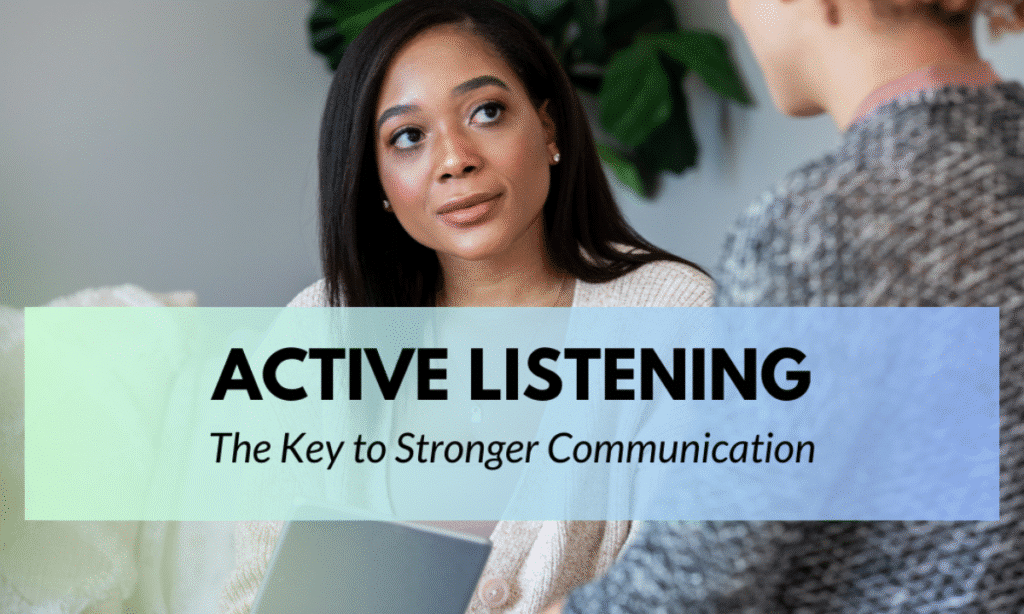
When an argument is brewing, be willing to listen more than to talk. Even when individuals are listened to, tensions usually fade. Being empathetic with an attempt to see things through the eyes of the other individual can turn anger into connection and problem-solving.
When to Seek Professional Help
Signs of Chronic or Uncontrolled Anger
When the anger seems persistent, outbursts and uncontrollable, it may be time to call in professional help. Symptoms are frequent quarrelling, violence, or inability to relax despite the elimination of the stimulus.
How Anger Management Therapy Works
The therapy of anger management is aimed at finding the main causes and learning tips of coping worked out according to your circumstances. CBT, mindfulness training, and role-playing exercises are some methods applied by therapists to enable you to acquire self-control and communication skills.
Behavioral Health Support Options Near You
Behavioral health professionals are available either in local clinics, online counseling, or the programs of anger management programs. Asking someone to help you does not imply that you are weak; it simply means that you are determined to get yourself better mentally and emotionally.
Conclusion
Having anger in the right way can be a good means of change. It may encourage you to defend yourself, resolve issues, and become stronger as a person. The trick is to know how to channel that energy positively and productively.
It is a process and needs time to build emotional resilience. Each of the deep breaths, each of the collected responses, and every conscious moment will assist you in reforming your relationship with anger. In time, you are able to use frustration as a way to get to know yourself and find tranquility.
To explore more helpful insights and behavioral strategies for mental well-being, visit Minds Over Matter your trusted guide to emotional balance and better living.
FAQs About Managing Anger
1. Can anger ever be healthy?
Anger is indeed healthy when it is expressed calmly and is used to solve issues or to set boundaries.
2. How long does it take to control anger using behavioral strategies?
However, it is different in every person and through constant practice, the majority of people can see positive changes within a few weeks.
3. What’s the best quick tip for calming down when angry?
Take slow and deep breaths and leave the situation for a few minutes to recoup yourself.
4. Can mindfulness really help with anger?
Absolutely. Mindfulness teaches awareness and helps you respond thoughtfully instead of reacting impulsively.
5. Should I talk about my anger or keep it to myself?
It’s better to talk about it calmly rather than bottling it up. Expressing anger constructively prevents emotional buildup.