

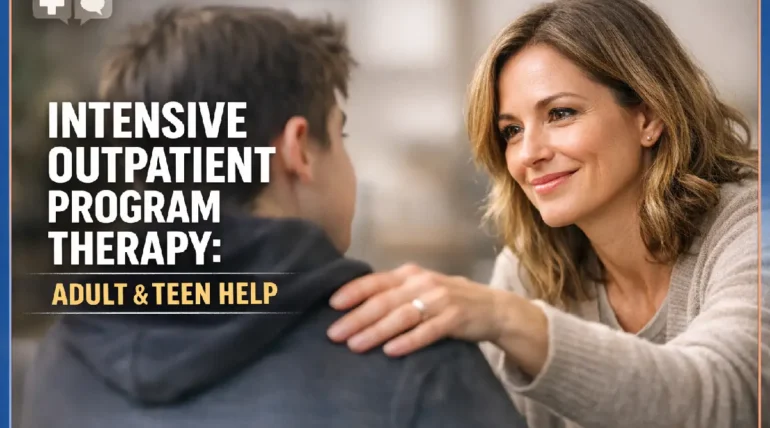
You show up to therapy every week. You talk. You cry. You leave feeling better. Then Tuesday hits, and you crash again. Here’s the deal: once-a-week might not cut it. But you don’t want a hospital stay. That’s where intensive outpatient program therapy comes in. You get hours of support daily. You sleep at home. I’ve seen this work for adults and teens in Pompano Beach, Florida, United States. It’s the middle ground that actually fits real life. Let me explain how.
What Is Intensive Outpatient Program Therapy?
Intensive outpatient program therapy (or IOP for short) gives you 9–15 hours of treatment weekly. You come in three to five days a week. Each session lasts about three hours. You join group therapy. You meet a counselor one-on-one. You learn coping skills. Then you go home and practice. That’s the magic. You’re not locked away. You’re living your life while getting real help. For anyone asking what an intensive outpatient program, that’s the simple answer. It’s part-time but serious.
Intensive Outpatient Program for Teens vs. Adults
Teens need different help than adults. School stress, social pressure, family fights. An intensive outpatient program for teens focuses on those issues. They talk about bullying, grades, and phone addiction. Adults deal with work, money, and relationships. An adult intensive outpatient program covers burnout, parenting stress, and career anxiety. I’ve worked with families in Lighthouse Point, Florida, United States. Their teen couldn’t focus in class. The IOP taught him breathing exercises. Within weeks, his grades improved. Adults usually need more trauma work. Both groups benefit from peer support.
How Does an Adult Intensive Outpatient Program Work?
You show up at 9 AM or 5 PM. Many programs offer morning or evening tracks. That’s huge for people with jobs. You sit in a circle. A therapist leads the discussion. You share wins and struggles. Then you learn a new skill. Maybe it’s setting boundaries. Maybe it’s challenging negative thoughts. After the group, you have a 30-minute individual check-in. You leave with homework. Simple stuff like tracking your mood. In Pompano Beach, Florida, United States, many intensive outpatient programs include family nights too. Your partner or parents come in once a week. Everyone learns how to support you better.

Trauma Intensive Outpatient Program – A Special Focus
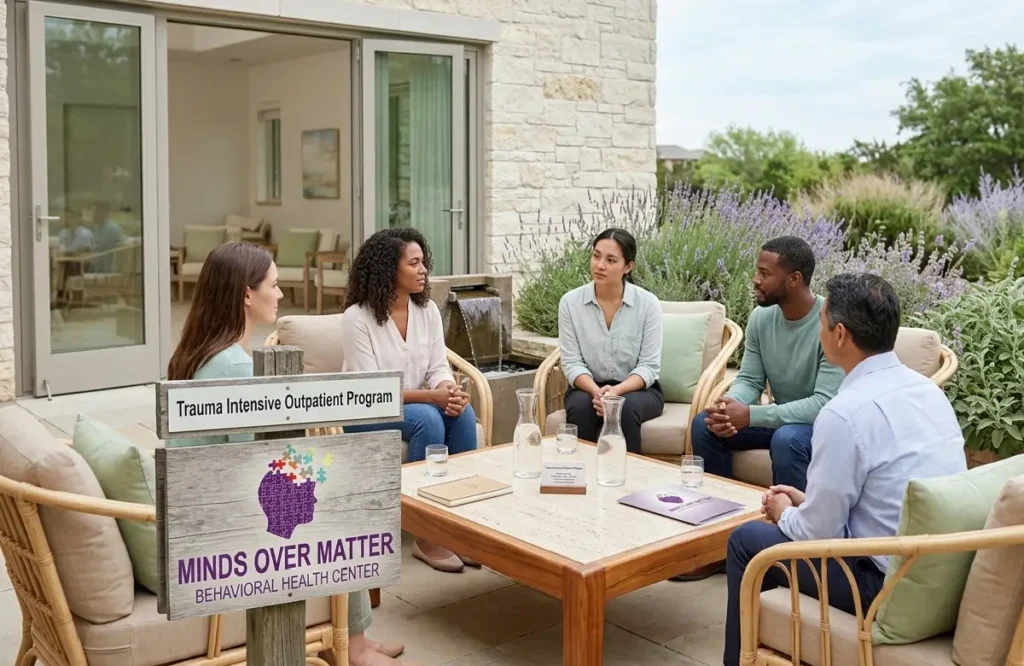
Trauma changes your brain. You jump at loud noises. You avoid crowded places. Regular talk therapy can take years. A trauma intensive outpatient program moves faster. You learn grounding techniques first. Then you process memories safely. No one rushes you. But you get consistent, daily practice. I’ve seen clients in Deerfield Beach, Florida United States go from panic attacks to calm in six weeks. The key is repetition. You practice the same skill every day until it sticks. Trauma IOPs often use EMDR or somatic therapy. Ask about that when you call around.
Intensive Outpatient Program Online: Does It Work?
Yes, it works. Intensive outpatient programs online became popular during lockdowns. Now it’s here to stay. You join video groups from your living room. You still get one-on-one sessions. The only difference? No commute. That matters in Pompano Beach traffic on Federal Highway. Online IOP helps people with social anxiety too. You can keep your camera off for the first few sessions. Some folks prefer in-person connection. That’s fine. Both options exist in Florida, United States. Just make sure the program is licensed. Ask if they accept your insurance. Most do.
Tips for Starting Intensive Outpatient Programs
Starting anything new feels hard. Here’s what actually helps:
- Set a routine. Wake up at the same time each day.
- Tell one friend. You need someone who knows what you’re doing.
- Prep your space. For online IOP, have headphones and a private room.
- Ask about the schedule. Evening tracks work better for working adults.
I’ve seen people freeze on day one. That’s normal. You’re not broken. In Pompano Beach, Florida, United States, intensive outpatient programs often let you tour first. Take that tour. Meet the therapists. Trust your gut. If it feels right, commit to two weeks. Most clients tell me they notice a shift by day five.
Common Mistakes to Avoid
Mistake #1: Treating IOP like a quick fix. You need 6–12 weeks minimum. Don’t quit early.
Mistake #2: Skipping the homework. Those worksheets seem silly. They rewire your brain. Do them.
Mistake #3: Hiding your struggles. If you relapsed or had a bad day, say it. That’s what group is for.
I’ve coached clients in Coconut Creek, Florida, United States who made these errors. They’d come for three weeks, feel better, then stop. Two months later, they’d be back. Don’t be that person. Finish the full intensive outpatient program iop. Your future self will thank you.
FAQ
How long does each IOP session last?
Most sessions run three hours. You’ll do three to five sessions per week. Some programs offer half-day options. Ask when you call.
Can I work full-time during IOP?
Yes, if you choose evening sessions. But many people reduce hours for the first month. Talk to your employer about medical leave.
Is intensive outpatient program therapy covered by insurance?
Most plans cover IOP. Call your insurance company. Ask specifically for “intensive outpatient program” benefits. Blue Cross, Aetna, and Cigna usually pay.
What’s the difference between PHP and IOP?
PHP is 20–30 hours weekly. IOP is 9–15 hours. You often step down from PHP to IOP as you improve. Both are outpatient.
Can teens really benefit from an adolescent intensive outpatient program?
Absolutely. Teens need peer support. IOP gives them a safe space. Parents join family sessions too. It works for depression, anxiety, and self-harm.
How do I find an intensive outpatient program near Pompano Beach?
Ask your current therapist. Or search online for “IOP Pompano Beach.” Call two or three. Ask about their approach and waitlist.
What if I need trauma-focused care?
Look for a trauma intensive outpatient program. They specialize in PTSD, abuse history, or grief. Call and ask if their therapists have trauma training.
Conclusion
You don’t need to hit rock bottom to get help. Intensive outpatient program therapy meets you where you are. It gives you structure without taking away your freedom. For adults, it is’s a way to heal without losing your job. For teens, it’s a way to stay in school while learning real skills. I’ve watched clients in Pompano Beach, Florida United States go from surviving to thriving. From isolation to connection. From shame to hope.