
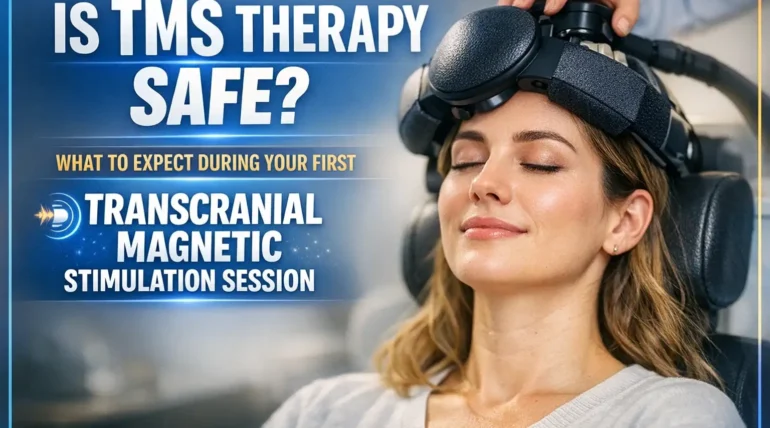
Transcranial magnetic stimulation (TMS) is a treatment that employs magnetic fields to help stimulate nerve cells in the brain to improve symptoms of major depression. It is termed as a noninvasive process as it is conducted without employing surgery and cutting the skin. But the question remains: is TMS therapy safe?
The short answer is, yes. As a matter of fact, TMS is approved by the US Food and Drug Administration (FDA). This treatment is typically applied when other methods of treatment against depression have failed.transcranial magnetic stimulation
The FDA also gave the TMS the nod for obsessive-compulsive disorder (OCD), migraine, and assisting persons to quit smoking when other methods of treatment have failed. Other possible applications of TMS are still being studied, with possible inclusion of epilepsy.
How it works
Repetitive magnetic pulses are delivered during the process, and hence the term repetitive TMS or rTMS. In an rTMS treatment of depression, the coil of electromagnetic coils is alternated around your head. This coil is an electrical current that sends out magnetic pulses and activates the nerve cells in the mood control and depression area of your brain. It is believed to stimulate parts of the brain that would be inactive due to depression.
Deep transcranial magnetic stimulation or deep TMS therapy is also usually heard. The distinction between the rTMS and deep TMS is based on the kind of coil applied. Deeply inserted coil activates deeper and larger parts of the brain, in comparison with rTMS.
There are various methods of administering it. Techniques can evolve as professionals acquire more information on the best methods of administering treatments.
Why is TMS Done
Depression is a curable disorder. However, standard treatments are ineffective with some people. Repetitive TMS can be adopted where other techniques of treatment, including medicines and talk therapy, also referred to as psychotherapy, are ineffective.
Prior to Your Initial Visit
Repetitive TMS is non-invasive, does not need any anesthesia, and may be done as an outpatient. Although you do not have to make arrangements to be picked up after the treatment, you might want to have someone pick you up once you are done with the initial session to have a clue of how you will feel after being treated.
What You Can Expect
TMS treatment for severe anxiety disorder is commonly performed in an office or clinic of a health care provider. It takes a sequence of treatment sessions to work. In most cases, the sessions are conducted on a daily basis, five times per week for 4 to 6 weeks.
The First Session
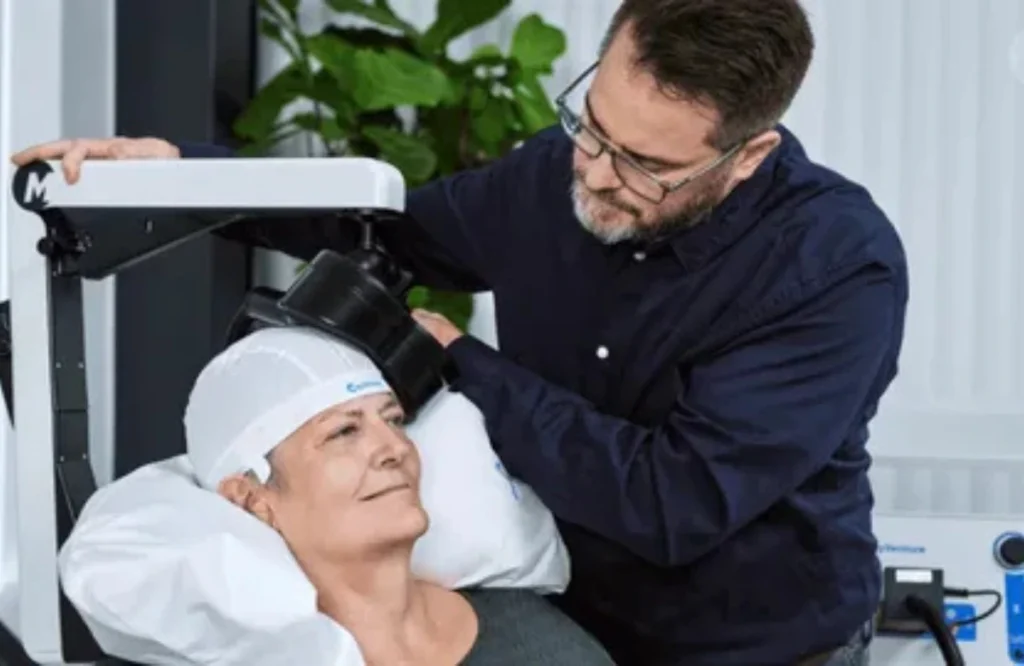
Your health care provider will have to find out the most appropriate location to place the magnet on your head and the most appropriate amount of magnetic energy on you before treatment commences. Our initial meeting is normally about an hour.
The mapping process is done on the first appointment for the subsequent biomagnetic therapy. This is what you can probably expect to happen:
- You will be brought into a treatment room, where you will be requested to take a seat in a reclining chair and provided with earplugs to use during the procedure.
- You will have an electromagnetic coil placed against your head that will be switched on and off, forcing stimulating pulses. This causes the tapping of your head and a clicking sound, which is accompanied by a pause.
- The coil will be passed over your head, and the magnetic power will be adjusted to determine the position that will cause the fingers or hands on the opposite side of your body to twitch.
- After finding the location, a second process of finding the “motor threshold” takes place. Pulses of varying power start and stop to decide the amount of energy required to move your fingers or thumb in at least half of the attempts.
During Each Following Treatment
The dose and coil position are commonly performed once. This happens in the initial treatment. All subsequent sessions will then use measurements of the first treatment to move the magnet to the optimal position.
The following are the expected procedures of each treatment:
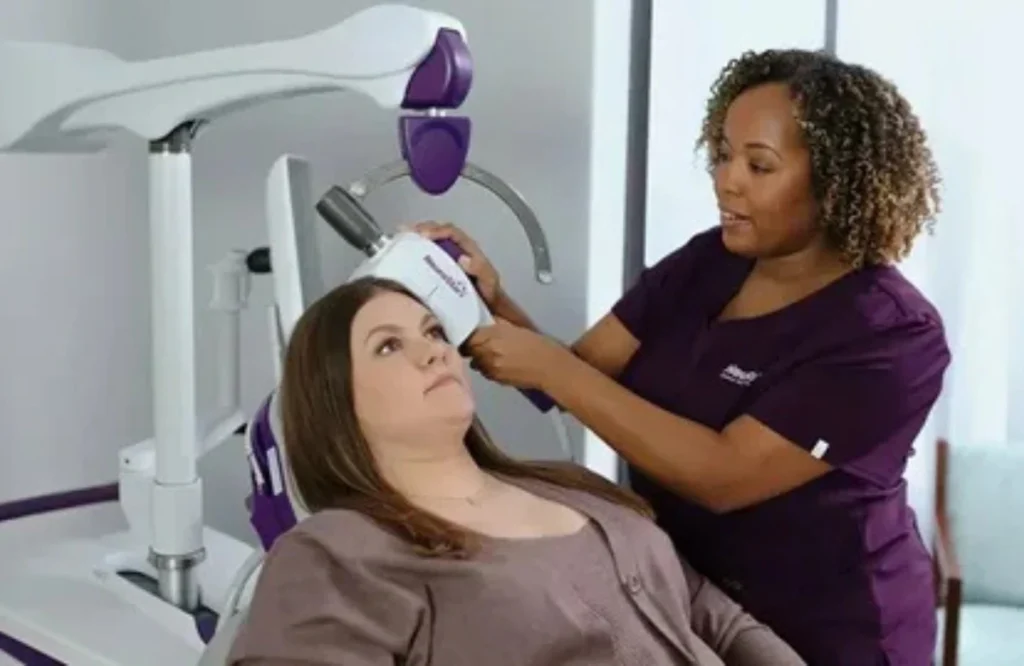
- You will be seated on a comfortable chair with earplugs and the magnetic coil against your head. The actual place of the coil where it treats is not the same as where the coil is motioned to make your fingers or thumb move.
- Once the TMS treatment APN turns on the machine, you will experience and hear a high-speed tapping on your head. The pattern will be a couple of seconds of tapping up and a break. The pattern will keep repeating. You can get scalpache and even pain during the tapping, but not during the breaks. You will be awake and alert throughout the process.
- The procedure will take anywhere between 3.5 to 20 minutes, depending on the form of stimulation pattern applied. The most recent type of stimulation is known as intermittent theta burst stimulation and takes only 3.5 minutes. The rTMS pattern used previously consumed 37 minutes; now it can be conducted in 20 minutes.
After Each Treatment
After treatment, you can resume your daily routine. In the short run, you may experience a headache. Driving and working are usually allowed between the sessions.
Results
Should rTMS succeed with you, your symptoms of depression can improve or completely disappear. A few weeks of treatment may be required to alleviate the symptoms.
The success of rTMS can be enhanced as scientists gain better insight into methods, stimulations required, and the most appropriate areas of the brain that should be stimulated.
Risks Associated With This Therapy
In most cases, rTMS is said to be safe and well-tolerated. Nevertheless, it may have certain side effects.
Common TMS Side Effects
The side effects are usually mild to moderate, and they do improve soon after a session. They also reduce as time progresses with additional sessions.
- Side effects may include:
- Scalp discomfort
- Headache
- Tingling, spasms, or twitching of facial muscles
- Lightheadedness
The amount of stimulation can be changed by your health care provider in order to minimize the symptoms. Or your provider can suggest that you should take a non-prescription or over-the-counter pain medication prior to the procedure. In other cases where it causes frequent headaches or migraines, treatments may have to be discontinued.
Uncommon Side Effects
There are rarely serious side effects, and they could include:
- Seizures
- Mania, especially in individuals suffering from bipolar disorder
- The loss of hearing might occur when the ears are not covered well during the treatment
Conclusion
Despite assurances from medical experts across the neurological spectrum, many people still ask, “Is TMS therapy safe?” Transcranial Magnetic Stimulation is, indeed, a safe and effective, non-invasive treatment for depression and OCD, which is approved by the FDA. Get in touch with a medical expert at Minds Over Matter now to discuss and schedule your first TMS session with us.
FAQs
How long does it take for TMS to work?
TMS is a sequential procedure, requiring multiple sessions. Generally, the treatment involves daily sessions for five days a week, which can continue for 4 to 6 weeks.
How long does each TMS session take?
Each individual session usually lasts around 20 to 30 minutes. The good thing is that you can return to normal activities immediately afterward in most cases.
Who is a good candidate for TMS therapy?
This procedure is ideal for people with treatment-resistant depression or those seeking effective alternatives to normal medication. A full evaluation with Minds Over Matter’s team will determine your eligibility.