
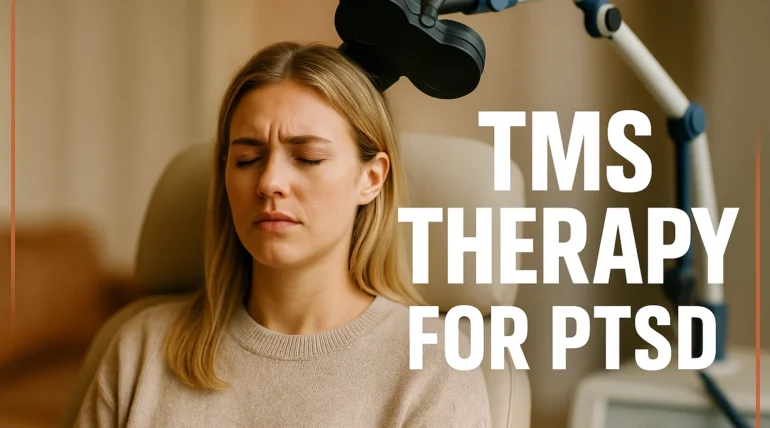
A life with post-traumatic stress disorder (PTSD) may be intimidating. It is difficult to cope with the daily life because of flashbacks, nightmares, and constant tension. The conventional therapy such as medicine and talk therapy does not always give complete satisfaction. This has prompted the patients and doctors to seek alternatives that are more superior.
Transcranial Magnetic Stimulation (TMS) is one of the newer ones that is attracting attention. It is non-invasive, medication-free and it utilises mild magnetic pulses to activate parts of the brain associated with mood and memory. However, is TMS beneficial in the treatment of PTSD? We will consider the recent studies and its implications on individuals with trauma.
The Challenges of Treating PTSD with Traditional Approaches
The common standard therapies used to treat PTSD include antidepressants and therapy including CBT or EMDR. Although these methods benefit most individuals, there are those who do not cope with intrusive symptoms, drug side effects or adherence to treatment regimens.
Growing Interest in Non-Invasive Neuromodulation Therapies
Due to the existence of such gaps, researchers are considering brain-based interventions such as TMS. TMS, unlike medication, directly triggers areas of the brain that have been implicated in mood regulation. It does not involve surgery or anesthesia and thus is more accessible to a number of patients.
Where TMS Fits in the PTSD Treatment Landscape
TMS has been already successful in depression and OCD. Researchers are currently looking at whether it can decrease hyperarousal, anxiety, and flashbacks in PTSD. The results presented are encouraging, and it is a developing area.
What Is TMS Therapy?
How It Works (Targeted Magnetic Pulses to the Brain)
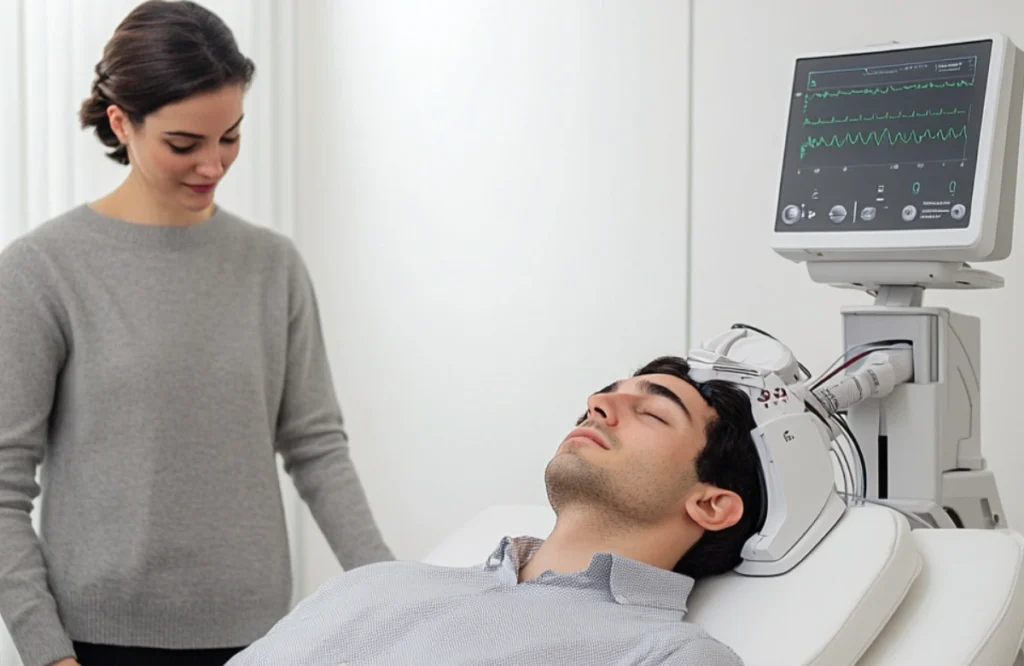
TMS therapy involves application of a machine onto your head to send magnetic pulses to particular parts of your brain. These pulses can re-wire communication between brain cells and thus heighten emotional balance and curtail overactive stress responses.
FDA Approval and Primary Uses (MDD, OCD)
The FDA has now been given a go-ahead to use TMS in major depressive disorder (MDD) and obsessive-compulsive disorder (OCD). There are already many clinics using it as a safe and evidence-based option to use in cases where other treatments are ineffective.
Why Researchers Are Studying TMS for PTSD
Since depression and PTSD usually involve similar brain parts, researchers are optimistic that TMS can be useful in symptoms related to traumas as well. These studies are attracting the attention of veterans, emergency responders, and trauma victims.
What the Latest Research Says About TMS for PTSD
Promising Clinical Trials and Outcomes
Recent clinical trials indicate that TMS can decrease:
- Hyperarousal (easy startle reflex or easily noticed)
- Flashbacks and nightmares
- Avoidance behaviors
- Mood instability
Those who undergo the treatments are likely to feel calmed down and a lot in control after a course of sessions.
Key Studies to Know
- VA-Led Trials- The U.S. Department of Veteran Affairs has conducted research on high-frequency rTMS on combat veterans. Findings revealed that there were substantial decreases in the severity scores on PTSD over control groups.
- Placebo-Controlled Studies: The research conducted on the comparison of actual TMS with sham (ake treatments) discovered that actual TMS had a decisive edge in terms of symptoms reduction.
Short-Term vs. Long-Term Effectiveness
In the majority of cases, the improvement is seen in 4-6 weeks of the daily sessions. The effects are long lasting, some patients get relief months after. It is sometimes recommended to use booster sessions in order to make benefits lasting.
How TMS May Help PTSD Symptoms
Targeting the Prefrontal Cortex and Limbic System Regulation
PTSD is characterized by hyperactivity of the amygdala (fear center) and lack of activity of the prefrontal cortex (reasoning and regulation). TMS assists in the restoration of the balance in these systems.
Calming Overactive Fight-or-Flight Responses
TMS can help to calm the brain activity of individuals who are always excited with fight-or-flight signals that make them tense and feel unsafe.
Reducing Co-Occurring Depression and Anxiety
As PTSD is commonly comorbid with depression and anxiety, TMS can treat numerous conditions simultaneously- which is particularly helpful with individuals with complicated traumas.
Who Might Benefit From TMS for PTSD?
Individuals With Treatment-Resistant PTSD
TMIS can provide them with a new avenue where they have not succeeded in therapy or medication
Veterans and First Responders With Complex Trauma
These groups are also very likely to undergo serious and protracted trauma. Research indicates that they can respond positively to TMS since it addresses the deep-seated brain patterns.
People Who Struggle With Medication Side Effects
Others are unable to keep taking antidepressants because they cause weight gain, fatigue, and sexual side effects. TMS is non-drug based thus safer.
Those Looking for a Non-Invasive, Drug-Free Option
In case you do not wish to take pills or have surgeries, TMS is a viable option.e.
Is TMS for PTSD FDA-Approved Yet?
Current Regulatory Status
TMS has been approved by FDA in cases of depression and OCD but not in PTSD. Its PTSD application is off-label.
What “Off-Label” Use Means for You as a Patient
This is off-label, which means that it is not officially approved in the treatment of PTSD, however, it can be used by doctors. A lot of clinics continue to offer it following a discussion of the risks and benefits.
Insurance Coverage and Provider Willingness to Treat PTSD With TMS
TMS with depression can be covered with insurance, but with PTSD, this might not be the case. There are providers who have flexible payment plans to patients who want to have PTSD treatment.
What to Expect If You Try TMS for PTSD
What the Sessions Feel Like
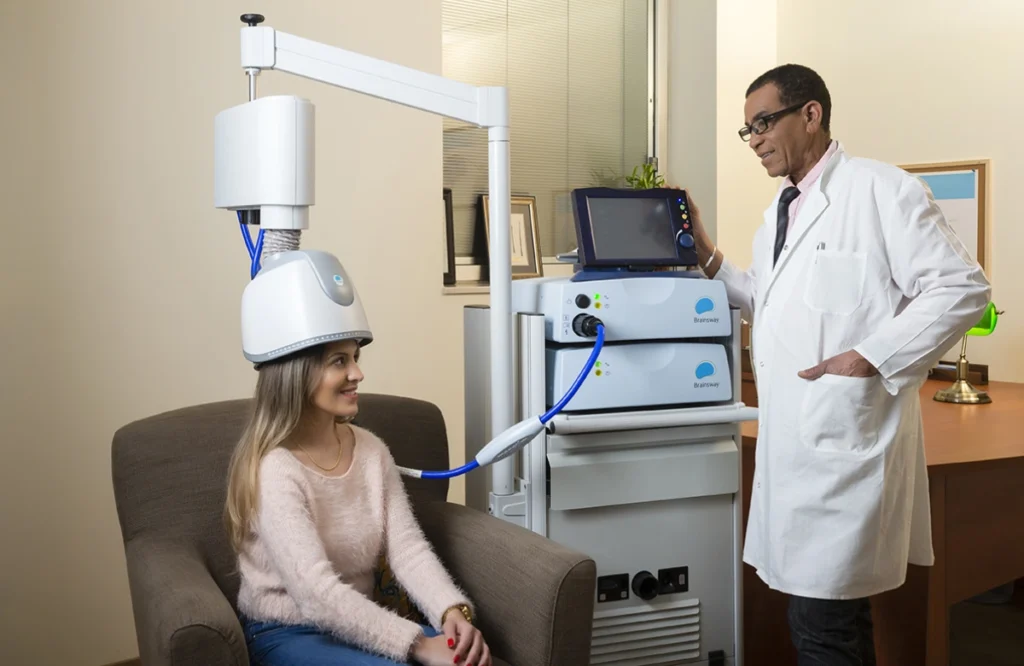
In TMS, you sit in a chair and a device is placed in position against your head. You can experience a tapping but no pain. Sessions last about 20-40 minutes.
Side Effects and Safety Considerations
Side effects are common and are mild such as pain on the scalp or headache but these usually subside in a few days. The side effects are serious in rare cases.
Typical Timeline for Results
Majority of the individuals begin to feel changes in the second or third week. After 4-6 weeks of daily sessions, full benefits can be observed.
Combining TMS With Therapy (e.g., EMDR, CBT)
TMS has been suggested to be accompanied by therapy by many providers in order to achieve maximum results. By way of example, EMDR and CBT may be used to complement the TMS in order to establish permanent healing.
Tips for Making the Most of TMS for PTSD
- Be regular in appointments–sessions are important.
- Keep a journal to monitor improving symptoms.
- Add to lifestyle modifications such as exercise, mindfulness, and healthy sleep.
- Collaborate with a traumatic-oriented practitioner that can be informed about the complexity of PTSD.
Limitations and Ongoing Research
Not a Cure-All – Works Better for Some Than Others
TMS is not effective in everybody. There are those patients who experience major relief and those who experience minor improvements.
Studies Still Needed on Complex PTSD and Long-Term Use
Further evidence is required to know the efficacy of TMS in survivors of childhood trauma, and maintenance period without booster therapy.
The Future: Personalized TMS Protocols for Trauma Types
Scientists are looking into individualized treatment, according to their brain patterns. This may even render TMS more effective in future.
Conclusion
The TMS therapy is not a universal treatment of PTSD, but there is research indicating that it has potential. It may regulate the hyperarousal and excitement of the brain circuits, as well as emotional regulation. TMF may be the gate to recovery in a number of individuals, particularly individuals who have been unsuccessful with medication or therapy.
As a component of an overall treatment, TMS may be worth considering in case you or a loved one has PTSD. Keep learning, communicate with a trauma-informed expert and maintain an open mind as new information comes in.
In order to learn more about new treatment opportunities and whether TMS is the right one to you, visit Minds Over Matter.
FAQs
What is the duration of TMS session?
Sessions normally take 20-40 minutes.
Does TMS hurt?
No. Majority will experience a slight tapping on the head.
What number of sessions do you require with PTSD?
Normally 20-30 sessions in 4-6 weeks.
Can TMS be used safely among PTSD veterans?
Yes, it has been determined that TMS is safe and capable of diminishing symptoms among veterans.
Is TMS the replacement of therapy or medication?
Not always. Other treatments should be used in conjunction with it.
Does insurance cover TMS in the case of PTSD?
No, it is usually off-label, although a few clinics have financing options.
How soon will I feel better?
It takes people a second or third week to notice change.